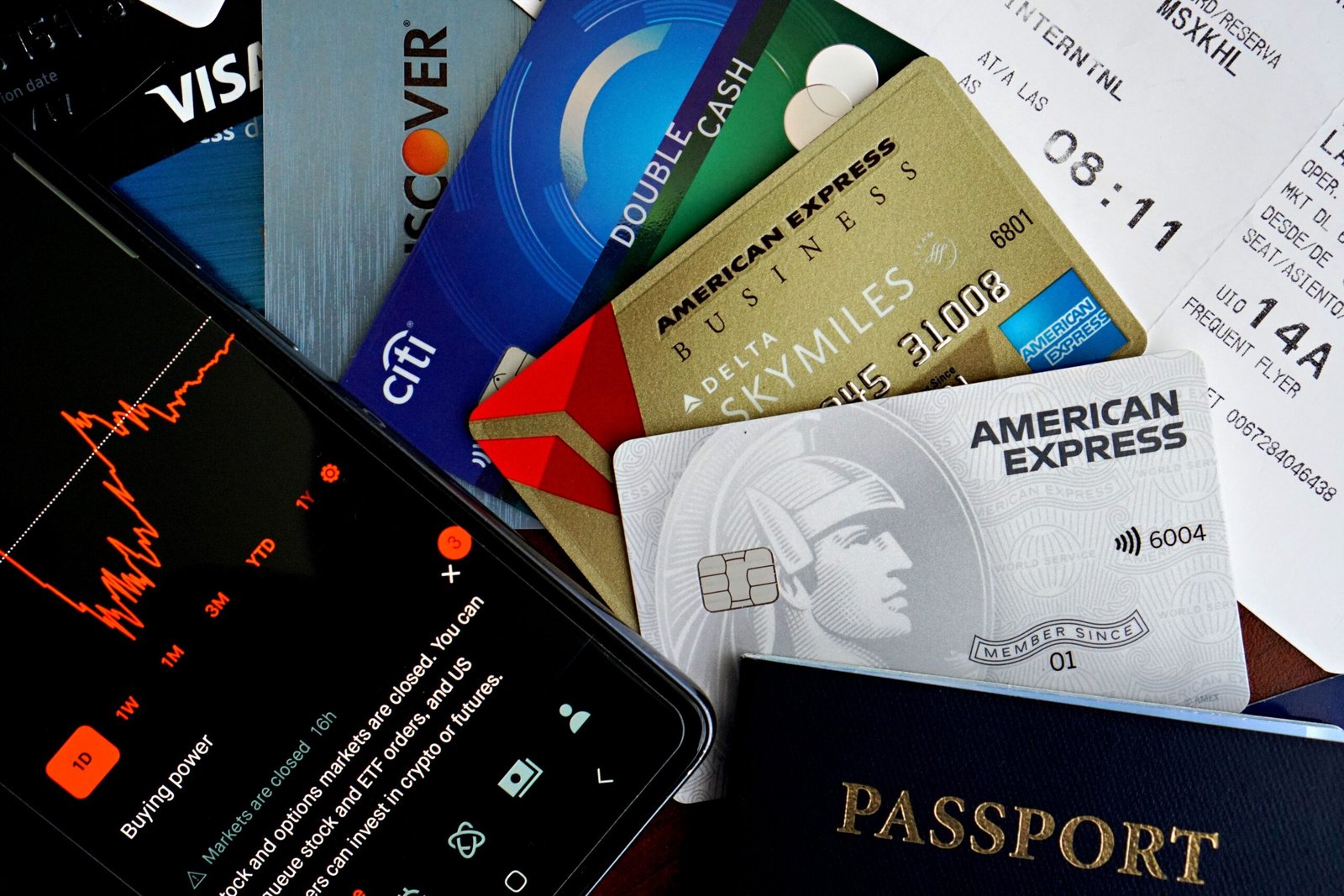
The future of lending is witnessing a transformation through AI credit scoring, promising more accurate and fair assessments of individuals’ creditworthiness. As these advanced algorithms analyze a wider range of data, they could revolutionize access to loans, making financial opportunities more equitable for diverse populations. For those interested in adapting strategies in other realms, Fantasy sports strategies offer valuable insights into competitive decision-making.
The Limitations of Traditional Credit Scoring
Traditional credit scoring models, such as FICO and VantageScore, have long been the benchmarks for assessing consumer credit. However, they come with inherent limitations:
- Data Constraints: These models often rely on a limited set of data, focusing heavily on credit history, outstanding debts, and payment behavior.
- Inaccessibility: Individuals without established credit histories—such as young adults, immigrants, and those opting for a cash-based lifestyle—are often excluded from the credit system.
- Bias and Discrimination: Traditional models can perpetuate existing biases, leading to unfair denial of credit based on socio-economic factors.
The Role of AI in Credit Scoring
AI credit scoring leverages vast amounts of data and advanced algorithms to evaluate creditworthiness in a more nuanced way. By doing so, it addresses many of the limitations posed by traditional methods.
Enhanced Data Sources
AI systems can integrate and analyze diverse data sources to create a more comprehensive profile of a borrower. This includes:
- Social media activity
- Payment patterns for utilities and rent
- Employment history and income stability
- Behavioral data from online transactions
Dynamic Scoring Models
Unlike fixed scoring models, AI algorithms can update scores in real-time, adapting to changes in a consumer’s financial situation. This dynamic approach allows lenders to:
Learn AI Tools
- Quickly respond to shifts in creditworthiness.
- Offer personalized loan options based on real-time data.
- Improve risk assessment accuracy.
Benefits of AI in Credit Scoring
The shift towards AI-driven credit scoring systems offers several key benefits:
Increased Accuracy
By analyzing a broader range of data points, AI algorithms can provide a more accurate representation of a borrower’s creditworthiness, reducing the risk of defaults.
Inclusivity
AI can assess creditworthiness for individuals with limited credit histories, thus opening up lending opportunities for:
- New immigrants
- Young professionals entering the workforce
- Individuals recovering from financial setbacks
Real-time Decision Making
AI can process vast amounts of data quickly, allowing lenders to make swift decisions on loan applications, thereby improving Customer Experience and satisfaction.
Challenges and Considerations
Despite its potential, the implementation of AI in credit scoring is not without challenges:
Data Privacy Concerns
With greater data collection comes increased scrutiny regarding consumer privacy. It is crucial for lenders to establish transparent data handling practices to build trust with borrowers.
Algorithmic Bias
If not carefully monitored, AI systems can inadvertently perpetuate biases present in the training data. Continuous evaluation and adjustment of these algorithms are essential.
Learn AI Tools
Regulatory Compliance
The lending industry is heavily regulated, and integrating AI into credit scoring must align with existing regulations to ensure consumer protection.
Case Studies of AI in Action
Several companies have successfully adopted AI in their credit scoring processes, illustrating its effectiveness:
| Company | Implementation | Results |
|---|---|---|
| Upstart | Utilizes AI to assess non-traditional data | Increased approval rates for underserved borrowers |
| ZestFinance | Employs machine learning for risk assessment | Reduced default rates and improved loan performance |
| Kiva | Use of AI to evaluate microloan applicants | Greater accessibility for entrepreneurs in developing countries |
The Future of AI in Lending
The trajectory of AI in credit scoring is poised for exponential growth. Anticipated developments include:
- Integration with Blockchain: Ensuring data integrity and transparency in credit scoring.
- Enhanced Personalization: Tailoring loan products to individual borrower needs based on AI insights.
- Collaborative Ecosystems: Lenders, tech companies, and regulators working together to create a balanced AI framework.
Conclusion
AI in credit scoring represents a paradigm shift that could redefine the lending landscape. By leveraging sophisticated algorithms and diverse data sources, financial institutions can not only enhance decision-making processes but also promote financial inclusion. However, with great power comes great responsibility; it is essential to navigate the challenges thoughtfully to ensure a fair, transparent, and innovative future for lending.
Learn AI Tools
FAQ
What is AI credit scoring?
AI credit scoring uses artificial intelligence algorithms to analyze a borrower’s creditworthiness, considering various data points beyond traditional credit scores.
How does AI improve the accuracy of credit scoring?
AI can process vast amounts of data and identify patterns that traditional methods might miss, leading to more accurate assessments of a borrower’s risk.
What are the benefits of AI credit scoring for lenders?
AI credit scoring allows lenders to make faster decisions, reduce bias in lending, and enhance customer experience by offering personalized loan options.
Can AI credit scoring benefit borrowers with limited credit history?
Yes, AI credit scoring can evaluate alternative data sources, enabling lenders to assess borrowers with limited or no traditional credit history.
Is AI credit scoring safe and secure?
AI credit scoring systems are designed with security protocols to protect sensitive financial data, and they comply with regulations to ensure consumer privacy.
How can I find lenders that use AI credit scoring?
You can look for financial institutions that advertise innovative lending solutions or check online platforms that specialize in AI-driven lending technologies.