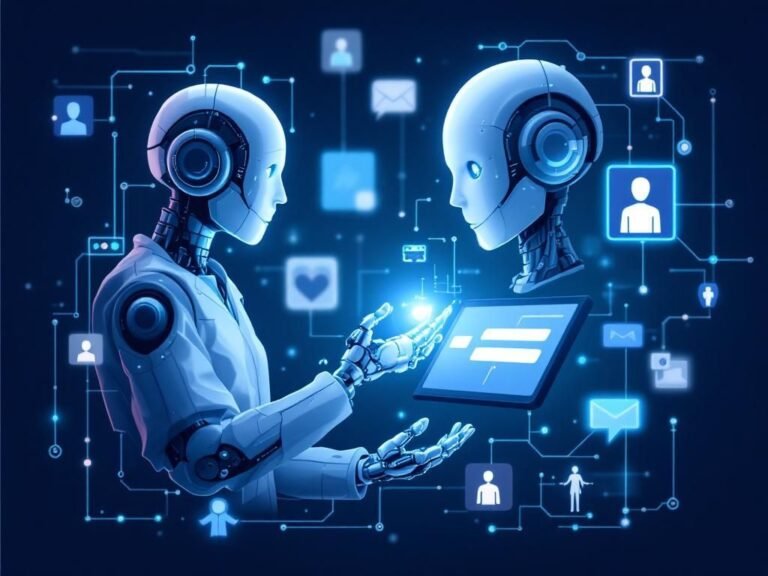
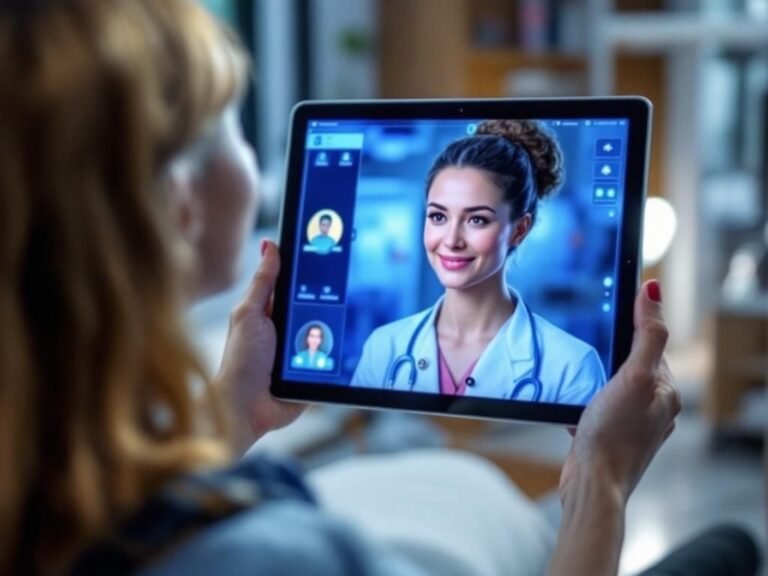
The integration of virtual nursing assistants is revolutionizing patient interactions, offering personalized support and real-time access to healthcare resources. By leveraging advanced technology, these virtual assistants not only streamline the patient experience but also empower individuals to manage their health more effectively. For those looking to enhance their overall well-being, incorporating practices such as mindfulness can be beneficial; check out these Mindfulness and meditation tips.
The Rise of Virtual Nursing Assistants
The concept of virtual nursing assistants has gained traction in recent years, driven by advancements in Artificial Intelligence (AI), natural language processing (NLP), and machine learning. These technologies enable VNAs to understand and respond to patient inquiries, offer medical advice, and assist in routine health management. VNAs can be accessible through various platforms, including mobile applications, websites, and smart devices, making them a vital resource in the modern healthcare environment.
Learn AI Tools
Benefits of Virtual Nursing Assistants
Virtual nursing assistants are revolutionizing the way patients interact with healthcare systems by providing real-time support and guidance. These AI-driven tools enhance patient engagement, streamline communication, and improve access to information, ultimately leading to better health outcomes. For those interested in the intersection of technology and healthcare, exploring machine learning projects and ideas can offer valuable insights into future innovations.
Virtual nursing assistants offer a myriad of benefits that enhance both patient experience and operational efficiency. Some of the key advantages include:
- 24/7 Availability: Unlike traditional nursing staff, VNAs are available around the clock, providing patients with immediate assistance whenever they need it.
- Improved Access to Care: VNAs help bridge the gap in healthcare access, particularly for individuals in remote areas or those with mobility challenges.
- Cost-Effective Solutions: By automating routine tasks and inquiries, VNAs reduce the workload on healthcare providers, allowing them to focus on more complex patient needs.
- Personalized Interactions: VNAs can tailor responses based on individual patient profiles, historical data, and preferences, enhancing the personal touch in healthcare.
Key Features of VNAs
To understand the transformative nature of virtual nursing assistants, it is essential to examine their key features that enable them to deliver effective patient interaction.
1. Natural Language Processing
NLP allows VNAs to interpret and respond to human language, making interactions intuitive and user-friendly. Patients can communicate in their own words, and the VNA can understand context, nuances, and intent.
2. Symptom Checker
Many VNAs come equipped with symptom-checking capabilities. Patients can input their symptoms, and the VNA can provide preliminary assessments and recommend next steps, such as scheduling a visit with a healthcare provider.
3. Medication Management
VNAs can assist patients in managing their medications by providing reminders, dosage instructions, and information about potential side effects. This feature is especially beneficial for patients with chronic conditions who are on multiple medications.
4. Health Monitoring
With the integration of wearable technology, VNAs can monitor patients’ vital signs and health metrics in real-time. This continuous tracking enables timely interventions and proactive management of health issues.
5. Educational Resources
VNAs can serve as a repository of health information, offering patients access to educational materials about their conditions, treatment options, and wellness tips.
The Role of AI in Virtual Nursing Assistants
AI plays a pivotal role in enhancing the capabilities and effectiveness of VNAs. Through machine learning algorithms, VNAs can continually improve their performance based on user interactions and feedback.
Learn AI Tools
Machine Learning Algorithms
By utilizing machine learning, VNAs can:
- Predict Patient Needs: Analyze patterns in patient queries and behaviors to anticipate future needs.
- Enhance Decision-Making: Provide evidence-based recommendations based on a vast database of medical knowledge.
- Optimize User Experience: Adjust responses and interactions based on user preferences and satisfaction ratings.
Challenges and Considerations
While the advantages of VNAs are significant, there are also challenges and considerations that healthcare providers must address:
Data Security and Privacy
Protecting patient data is paramount. VNAs must comply with regulations such as HIPAA to ensure that sensitive health information is secure and confidential.
Quality of Information
Ensuring that the information provided by VNAs is accurate and reliable is crucial. Regular updates and monitoring are needed to maintain high-quality responses.
Patient Acceptance
Some patients may be hesitant to trust virtual assistants over human interactions. Education and outreach are essential to promote acceptance and understanding of the benefits VNAs provide.
Future Trends in Virtual Nursing Assistants
The future of virtual nursing assistants looks promising, with several trends likely to shape their development:
Integration with Telehealth
As telehealth continues to gain popularity, VNAs will likely play an integral role in facilitating virtual consultations, triaging patients, and providing follow-up care.
Enhanced Personalization
Future VNAs may harness advanced analytics to provide even more personalized interactions, adapting to patient behaviors and preferences over time.
Collaboration with Human Nurses
Rather than replacing human nurses, VNAs will increasingly work alongside them, complementing their efforts and enabling a more efficient healthcare delivery model.
Conclusion
The development of virtual nursing assistants signifies a transformative shift in patient care and interaction. By leveraging cutting-edge technologies, VNAs are enhancing accessibility, improving patient engagement, and streamlining healthcare processes. As we look to the future, the continued evolution of VNAs will undoubtedly further enhance the quality of care and the patient experience, making healthcare more responsive and efficient.
FAQ
What are virtual nursing assistants?
Virtual nursing assistants are Digital Tools or AI-driven applications designed to support healthcare providers by managing routine patient interactions, answering queries, and providing health information.
How do virtual nursing assistants improve patient interaction?
They enhance patient interaction by providing 24/7 availability, personalized responses, and timely health information, which helps in increasing patient engagement and satisfaction.
What technologies are used in virtual nursing assistants?
Virtual nursing assistants utilize artificial intelligence, machine learning, natural language processing, and chatbots to simulate human-like interactions and manage patient care.
Can virtual nursing assistants replace human nurses?
While virtual nursing assistants can handle routine tasks and provide information, they are designed to complement human nurses rather than replace them, allowing nurses to focus on more complex patient care.
What are the benefits of using virtual nursing assistants in healthcare?
Benefits include reduced wait times for patients, improved access to healthcare information, enhanced efficiency in patient management, and the ability to monitor patients remotely.
Are virtual nursing assistants secure and compliant with healthcare regulations?
Yes, reputable virtual nursing assistants are designed to adhere to healthcare regulations such as HIPAA, ensuring patient data is secure and privacy is maintained.
As the healthcare landscape continues to evolve, the integration of virtual nursing assistants promises to revolutionize patient interactions. By leveraging advancements in natural language processing, these digital tools can provide timely support and accurate information, enhancing the overall patient experience. However, navigating the complexities of language understanding remains a challenge; for insights into this, you can explore NLP challenges and solutions.