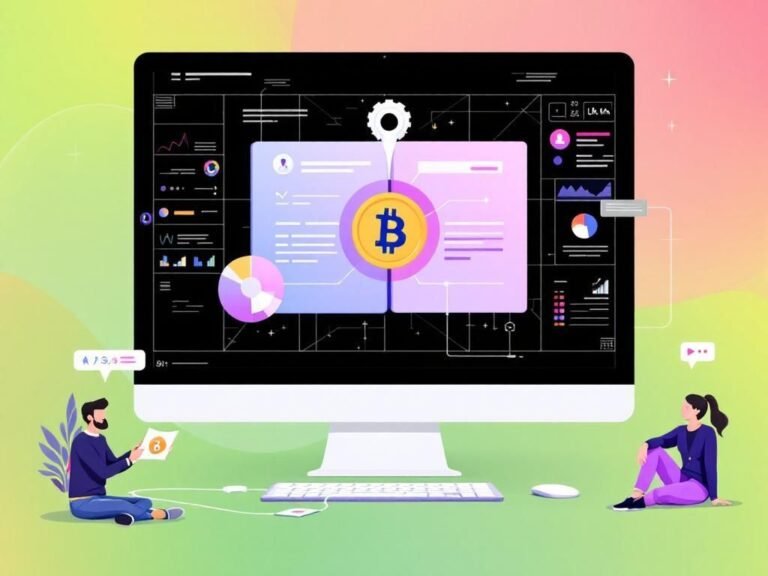
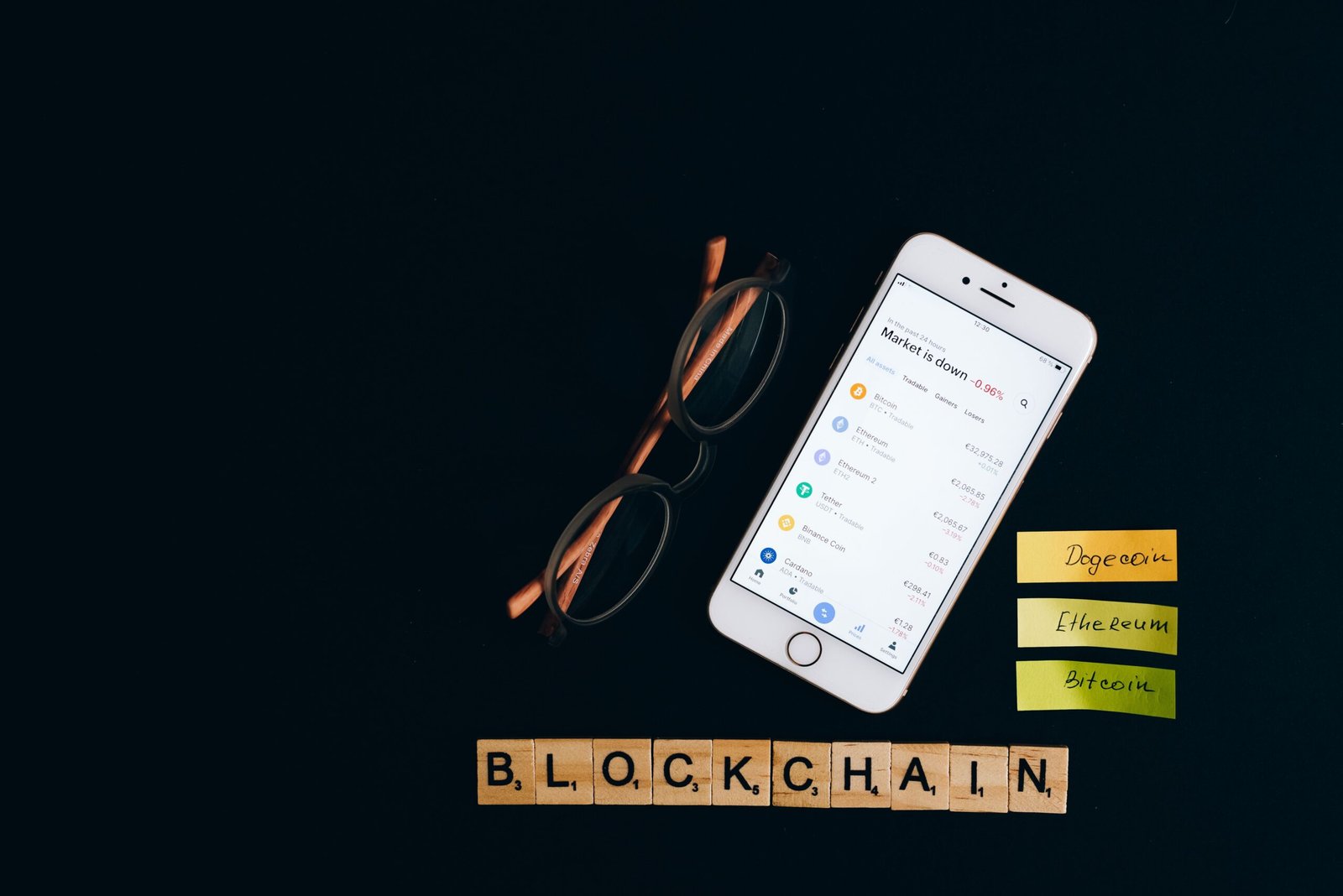
In an era where data breaches are increasingly common, secure data exchange has become paramount for businesses. Integrating blockchain services offers a decentralized and tamper-proof method for exchanging sensitive information, ensuring both security and transparency. To stay updated on the evolving landscape, explore the latest trends in blockchain.
Understanding Blockchain Technology
Secure data exchange has become increasingly crucial in today’s digital landscape, and integrating blockchain technology offers a promising solution. By leveraging decentralized ledgers, organizations can enhance data integrity and privacy, ensuring that sensitive information is shared safely and transparently. For the latest insights and trends in technology, explore tech news updates.
Blockchain is a decentralized digital ledger technology that records transactions across multiple computers in a way that ensures the recorded data cannot be altered retroactively. This technology provides a high level of security due to its immutability and transparency features.
Learn Engineering
Key Features of Blockchain for Secure Data Exchange
- Decentralization: Unlike traditional databases that are controlled by a central authority, blockchain distributes data across a network, reducing the risk of single-point failure.
- Immutability: Once data is recorded on the blockchain, it cannot be changed or deleted, ensuring the integrity of the information.
- Transparency: All participants in a blockchain network have access to the same data, enhancing trust and accountability among parties.
- Cryptographic Security: Transactions are secured by cryptographic algorithms, making unauthorized access virtually impossible.
- Smart Contracts: These are self-executing contracts with the terms directly written into code, allowing for automated and secure transactions.
Top Blockchain Integration Services for Secure Data Exchange
Several companies specialize in blockchain integration services, providing tailored solutions for secure data exchange. Here are some of the leading players in the market:
1. IBM Blockchain
IBM Blockchain offers robust solutions for businesses looking to implement secure data exchange using blockchain technology. Their services include:
- Consulting and strategy development
- Custom blockchain applications
- Integration with existing systems
- Ongoing support and maintenance
IBM’s blockchain platform is known for its enterprise-grade security and scalability, making it suitable for various industries.
2. Microsoft Azure Blockchain
Microsoft Azure provides a comprehensive blockchain-as-a-service (BaaS) platform that allows businesses to quickly build, govern, and expand blockchain networks. Features include:
- Interoperability with other cloud services
- Development tools for efficient application building
- Security protocols and compliance standards
Azure’s flexible framework enables organizations to adopt blockchain technology without significant upfront investment.
3. ConsenSys
ConsenSys is a leading Ethereum software company that provides a suite of blockchain tools and services. Their offerings include:
- Enterprise Ethereum blockchain frameworks
- Decentralized applications (dApps)
- Smart contract development
ConsenSys focuses on fostering interoperability and security in data exchange, particularly in financial services and supply chains.
4. ChainSafe Systems
ChainSafe specializes in building blockchain applications and infrastructure. Their services include:
- Custom blockchain development
- Integration with existing systems
- Consultation on blockchain technology adoption
ChainSafe is known for its innovative approach, particularly in the realm of NFTs and decentralized finance (DeFi).
5. Hyperledger Fabric
Hyperledger Fabric is an open-source blockchain framework that provides a modular Architecture. It is specifically designed for enterprises requiring secure data transactions. Key features include:
- Pluggable consensus and membership services
- Data Privacy through channels
- Smart contract functionality
Hyperledger Fabric is ideal for organizations that wish to maintain a certain level of confidentiality and control over their data exchanges.
Comparative Analysis of Blockchain Integration Services
| Service Provider | Key Features | Ideal For | Pricing Model |
|---|---|---|---|
| IBM Blockchain | Enterprise-grade, customizable solutions | Large enterprises | Subscription-based |
| Microsoft Azure Blockchain | BaaS, cloud integration, development tools | Small to medium businesses | Pay-as-you-go |
| ConsenSys | Ethereum-focused, dApps, smart contracts | Financial services | Project-based |
| ChainSafe Systems | Custom app development, consultation | Startups and innovators | Hourly rates |
| Hyperledger Fabric | Modular architecture, confidentiality | Enterprises requiring privacy | Open-source (free) |
Benefits of Integrating Blockchain for Data Exchange
Integrating blockchain technology for secure data exchange offers numerous benefits, including:
- Enhanced Security: With robust encryption and consensual verification, data on the blockchain is highly secure against unauthorized access.
- Reduced Cost: By eliminating intermediaries, organizations can save on transaction costs while enhancing efficiency.
- Improved Efficiency: Automated processes, such as those facilitated by smart contracts, streamline operations and reduce delays.
- Compliance and Audit Trails: Blockchain’s transparency allows for easy tracking of data exchanges, which aids in regulatory compliance.
Challenges in Blockchain Data Exchange Integration
While blockchain technology presents a revolutionary approach to secure data exchange, it is not without its challenges. Organizations may face:
- Integration Complexity: Integrating blockchain solutions with existing IT infrastructure can be complex and may require specialized skills.
- Scalability Issues: As transaction volumes increase, some blockchain networks may struggle to maintain performance levels.
- Regulatory Uncertainty: The evolving regulatory landscape around blockchain technology can create uncertainty for businesses looking to adopt these solutions.
The Future of Blockchain in Secure Data Exchange
The future holds significant promise for blockchain technology in secure data exchange. As more organizations recognize the importance of data integrity and security, the adoption of blockchain solutions is expected to increase.
Innovations such as quantum-resistant algorithms, improved consensus mechanisms, and enhanced interoperability among different blockchain networks are likely to drive further advancements in this field. Additionally, as regulatory frameworks evolve, businesses will gain more clarity on compliance obligations, fostering increased confidence in blockchain adoption.
Conclusion
In conclusion, blockchain technology represents a transformative solution for secure data exchange. With various blockchain integration services available, organizations can leverage the unique features of blockchain to enhance data security, improve operational efficiency, and foster trust among stakeholders. By carefully evaluating the offerings of leading providers and understanding the potential challenges, businesses can successfully implement blockchain solutions tailored to their specific needs.
FAQ
What are blockchain integration services?
Blockchain integration services refer to the processes and solutions that enable businesses to incorporate blockchain technology into their existing systems and workflows, enhancing security, transparency, and efficiency.
How can blockchain improve data security?
Blockchain enhances data security through its decentralized nature, cryptographic algorithms, and immutability, ensuring that data is protected from unauthorized access and tampering.
What industries benefit from blockchain integration?
Industries such as finance, healthcare, supply chain, and logistics benefit significantly from blockchain integration by improving transparency, traceability, and security in their operations.
Can blockchain integration streamline business processes?
Yes, blockchain integration can streamline business processes by automating transactions, reducing intermediaries, and providing real-time data access, leading to increased efficiency and reduced operational costs.
What are the challenges of implementing blockchain integration?
Challenges of implementing blockchain integration include technical complexity, regulatory compliance, scalability issues, and the need for organizational change management.
How do I choose the right blockchain integration service provider?
To choose the right blockchain integration service provider, consider their experience, technical expertise, industry knowledge, client testimonials, and the specific solutions they offer that align with your business needs.
In conclusion, integrating blockchain technology into secure data exchange solutions offers a promising pathway for enhancing data integrity and privacy. By leveraging these advanced services, organizations can build a robust framework for their information workflows. To explore comprehensive IT strategies that align with these innovations, find the right IT strategy.