As cities and industries continue to evolve, the integration of technology into infrastructure becomes not only beneficial but necessary. Digital twin solutions are at the forefront of this revolution, providing real-time data and simulations that can enhance decision-making, optimize operations, and improve efficiency. This article delves into the transformative impact of digital twin technology on smart infrastructure, exploring its applications, benefits, and future potential.
Understanding Digital Twin Technology
At its core, a digital twin is a virtual representation of a physical object or system. This technology leverages data from sensors, software, and other technologies to create a comprehensive model that reflects the real-world counterpart’s state and behavior. Digital twins can be applied to a wide range of fields, including construction, Manufacturing, transportation, and urban planning.
Learn Engineering
Key Components of a Digital Twin
- Data Collection: Sensors and IoT devices gather data from the physical entity.
- Modeling: The data is processed and used to create a virtual model that mimics real-world conditions.
- Analysis: Advanced analytics and AI algorithms interpret the data to provide insights.
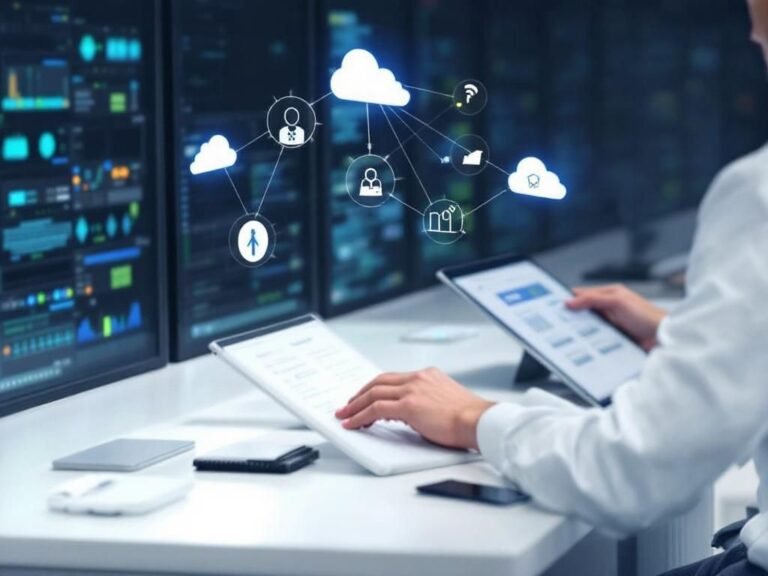
- Visualization: Users can interact with the digital twin through dashboards and interfaces.
Applications of Digital Twin Solutions
Digital twin technology has a variety of applications that can significantly enhance smart infrastructure. Here are some notable examples:
Learn AI Tools
1. Urban Planning
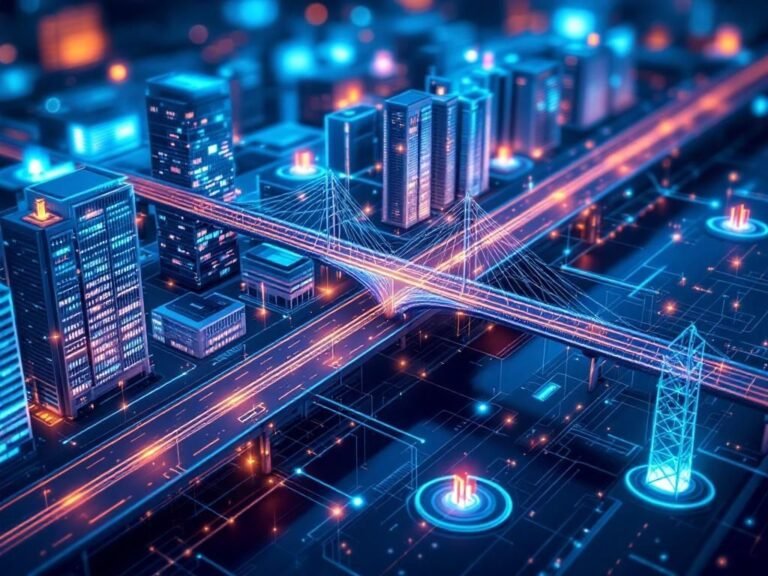
City planners use digital twins to model urban environments, allowing them to visualize and simulate the impact of new developments, traffic flows, and public services:
- Visualizing potential changes to city layouts
- Simulating the impact of new transportation networks
- Optimizing resource allocation for public services
2. Building Management
In the construction and real estate sectors, digital twins are employed to optimize building performance, enhance maintenance schedules, and improve energy efficiency:
- Monitoring energy usage in real-time
- Predicting maintenance needs before they become critical
- Streamlining building operations through data analysis
3. Transportation and Traffic Management
Digital twins can revolutionize how transportation systems are managed. By simulating traffic patterns and analyzing data, cities can:
| Benefits | Details |
|---|---|
| Traffic Optimization | Reduce congestion by managing traffic signals based on real-time data. |
| Public Transportation Efficiency | Enhance the scheduling and routing of buses and trains. |
| Accident Prevention | Identify potential hazardous conditions and implement preventive measures. |
Benefits of Implementing Digital Twins
The advantages of integrating digital twin technology into smart infrastructure are manifold:
Improved Decision Making
Real-time data and predictive analytics empower stakeholders to make informed decisions based on current conditions rather than historical data.
Enhanced Efficiency
By optimizing processes and resource allocation, organizations can reduce waste and improve operational efficiency.
Cost Savings
Predictive maintenance and efficient resource management can lead to significant cost reductions over time.
Increased Collaboration
Digital twins foster collaboration among various stakeholders by providing a common platform for data sharing and communication.
Challenges in Adoption
Despite its potential, the implementation of digital twin solutions comes with challenges that organizations must navigate:
1. Data Security and Privacy
With the significant amount of data collected, ensuring the security and privacy of this information is paramount. Organizations must invest in robust Cybersecurity measures.
2. Integration with Existing Systems
Organizations may face difficulties integrating digital twins with legacy systems, requiring careful planning and investment.
3. Skills Gap
The demand for skilled professionals who can design, implement, and manage digital twin solutions is rising. Educational institutions must adapt to this need.
Future of Digital Twin Technology in Smart Infrastructure
The future of digital twin technology in smart infrastructure looks promising. As advancements in AI, Machine Learning, and IoT continue to evolve, digital twins will become more sophisticated, offering even greater insights and capabilities. Potential developments include:
Learn Engineering
- Greater automation in real-time decision-making processes.
- Enhanced interoperability between different digital twins across sectors.
- Widespread adoption in developing countries to improve urban infrastructure.
Conclusion
Digital twin solutions are revolutionizing the way we approach smart infrastructure. By providing real-time insights and predictive analytics, this technology enables organizations to optimize operations, enhance efficiency, and make informed decisions. The journey towards fully realized smart cities and infrastructure systems is ongoing, but with digital twins at the helm, the future is brighter than ever. Embracing this technology is not just an option—it’s a necessity for thriving in the rapidly evolving urban landscape.
Learn AI Tools
FAQ
What is a digital twin in smart infrastructure?
A digital twin is a virtual representation of a physical asset, system, or process that mirrors its real-time performance and behavior, enabling improved monitoring, analysis, and decision-making.
How do digital twin solutions enhance smart infrastructure?
Digital twin solutions enhance smart infrastructure by providing accurate data visualization, predictive analytics, and real-time monitoring, which lead to optimized operations, reduced downtime, and improved maintenance strategies.
What industries benefit from digital twin technology?
Industries such as construction, transportation, energy, and manufacturing benefit significantly from digital twin technology by optimizing asset management, enhancing safety, and reducing operational costs.
Can digital twin solutions help in sustainability efforts?
Yes, digital twin solutions can significantly aid sustainability efforts by enabling efficient resource management, reducing waste, and optimizing energy consumption within smart infrastructure.
What are the key components of a digital twin system?
Key components of a digital twin system include data acquisition sensors, analytics software, visualization tools, and integration frameworks to connect digital twins with real-time data sources.
How does data security factor into digital twin implementations?
Data security is crucial in digital twin implementations; organizations must ensure robust cybersecurity measures, data encryption, and compliance with regulations to protect sensitive information from unauthorized access.