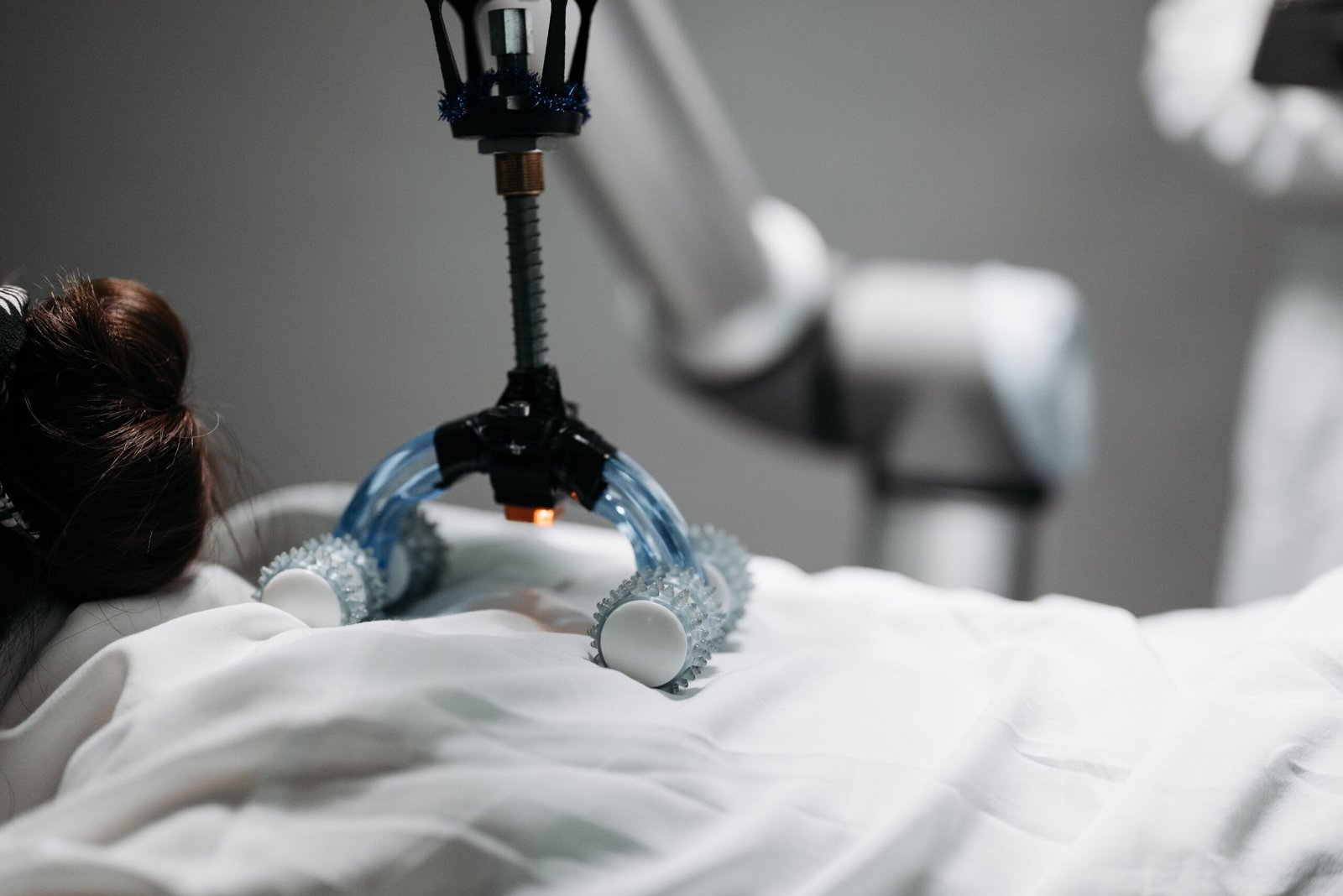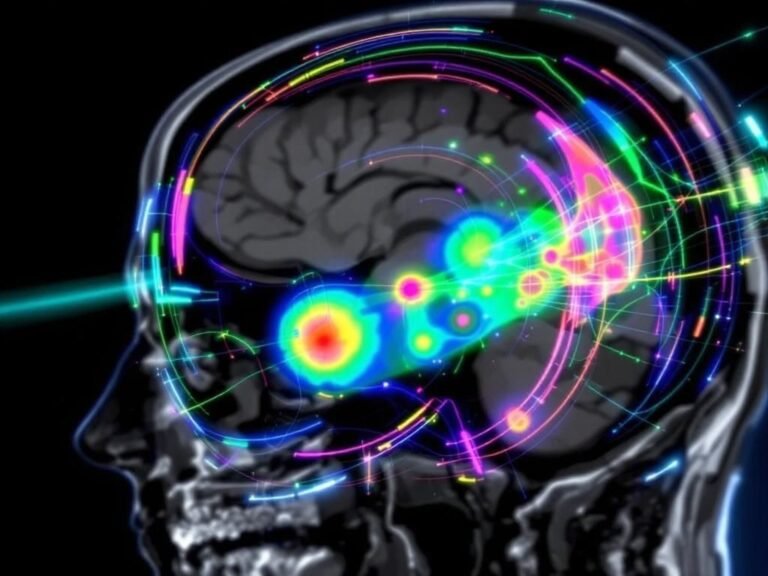

As healthcare systems strive to improve patient outcomes and reduce costs, AI technology emerges as a formidable tool in revolutionizing readmission rates. By leveraging advanced analytics and predictive modeling, providers can identify at-risk patients and tailor interventions to ensure better continuity of care. For more insights on digital transformation, visit digital transformation insights.
Understanding Patient Readmissions
Before exploring the role of AI in reducing readmission rates, it is essential to understand what patient readmissions are and why they occur. A readmission occurs when a patient returns to the hospital within a specific timeframe—often 30 days—after being discharged. Readmissions can happen for various reasons, including:
Learn AI Tools
- Insufficient follow-up care
- Complications from the original condition
- Lack of patient education
- Social determinants of health, such as housing instability or transportation issues
The Financial Impact on Healthcare Systems
AI technology is poised to revolutionize healthcare by drastically reducing readmission rates through predictive analytics and personalized patient care solutions. By leveraging data-driven insights, hospitals can identify at-risk patients and tailor interventions, ultimately enhancing patient outcomes. To explore more about AI applications across various sectors, you can understand AI applications in business.
High readmission rates come with significant financial implications for healthcare systems. Hospitals face penalties under programs like the Hospital Readmissions Reduction Program (HRRP) in the United States, which can lead to reduced reimbursement rates. Additionally, the costs associated with readmissions can escalate quickly:
| Type of Cost | Estimated Cost per Readmission |
|---|---|
| Average hospital readmission | $14,000 |
| Post-discharge complications | $5,000 |
| Extended length of stay | $1,500 per day |
The Role of AI in Predicting Readmissions
AI offers powerful tools for predicting patient readmissions by analyzing large datasets and identifying patterns that may not be evident through traditional methods. These predictive analytics can provide insights into which patients are at the highest risk of readmission. Key components of AI’s role include:
Learn AI Tools
Data Integration and Analysis
AI algorithms can integrate various data sources, including:
- Electronic health records (EHR)
- Previous admission histories
- Patient demographics
- Social determinants of health
This comprehensive analysis enables AI systems to generate risk scores for individual patients, highlighting those who may require additional support post-discharge.
Machine Learning Algorithms for Prediction
Machine learning models, specifically trained on historical data, can enhance the accuracy of predictions. These models can learn from:
- Patient characteristics
- Treatment protocols
- Outcomes of similar patients
By continuously learning from new data, these algorithms improve over time, refining their predictive capabilities and providing timely interventions.
Implementing AI Solutions in Healthcare Settings
Integrating AI solutions into existing healthcare frameworks requires strategic planning and execution. Organizations must consider various factors:
Stakeholder Engagement
Engaging stakeholders such as healthcare providers, IT specialists, and patient advocacy groups can facilitate smoother implementation. Their input is crucial for developing user-friendly systems that cater to the needs of all parties involved.
Training and Education
Healthcare professionals must be adequately trained to use AI tools effectively. This includes:
Learn AI Tools
- Understanding how to interpret AI-generated reports
- Using AI recommendations in clinical decision-making
- Recognizing the limitations and biases of AI systems
Monitoring and Evaluation
Establishing metrics for evaluating the effectiveness of AI interventions is crucial. Metrics may include:
- Reduction in readmission rates
- Improvement in patient outcomes
- Patient satisfaction scores
Regular monitoring ensures that the systems remain efficient and effective over time.
Case Studies: Success Stories of AI Implementation
Several healthcare organizations have successfully implemented AI technologies to reduce readmission rates. Notable examples include:
Case Study 1: Mount Sinai Health System
Mount Sinai in New York has leveraged machine learning algorithms to forecast which patients are at risk of readmission. Key outcomes include:
- A 30% reduction in readmission rates
- Improved resource allocation
- Enhanced patient engagement through tailored follow-up care
Case Study 2: Geisinger Health System
Geisinger developed an AI-driven tool that provides real-time recommendations for post-discharge care. Results highlighted:
- A decrease in readmission rates by 20%
- Higher patient satisfaction scores
- More efficient use of outpatient resources
The Future of AI in Healthcare
As technology advances, the potential for AI to further reduce readmission rates and improve overall healthcare quality continues to grow. Future trends may include:
Learn AI Tools
Enhanced Personalization
AI systems will increasingly focus on personalized care plans, taking into account individual patient preferences and history to create targeted interventions.
Interdisciplinary Collaboration
The collaboration between data scientists, clinicians, and patient caregivers will enhance AI systems’ adaptability and accuracy, ensuring a more holistic approach to patient care.
Ethical Considerations
As AI becomes more prevalent, addressing ethical concerns such as data privacy and algorithmic bias will be critical to maintaining patient trust and ensuring fair treatment across diverse populations.
Conclusion
The integration of AI Technology in healthcare represents a significant opportunity to revolutionize patient management and reduce readmission rates. By harnessing the power of data and predictive analytics, healthcare systems can improve patient outcomes, optimize resource utilization, and ultimately enhance the quality of care provided. Embracing these innovations will be essential for healthcare providers to navigate the complexities of modern medicine and meet the demands of an evolving patient landscape.
FAQ
How does AI technology help reduce hospital readmission rates?
AI technology analyzes patient data to identify at-risk individuals and predict potential readmissions, allowing healthcare providers to implement targeted interventions.
Learn AI Tools
What are the benefits of using AI for managing patient care?
AI enhances patient care by providing personalized treatment plans, improving communication between healthcare teams, and enabling timely follow-ups to prevent readmissions.
Can AI technology be integrated into existing healthcare systems?
Yes, AI solutions can be seamlessly integrated into existing healthcare systems, enhancing data analytics and workflow without disrupting current operations.
What types of data does AI use to predict readmission rates?
AI utilizes a variety of data, including patient demographics, medical history, treatment plans, and social determinants of health to create comprehensive risk assessments.
Are there any successful case studies of AI reducing readmission rates?
Yes, several hospitals have reported significant reductions in readmission rates through the implementation of AI-driven predictive analytics and patient management systems.
How can healthcare providers implement AI technology effectively?
Healthcare providers can implement AI technology by partnering with tech companies, investing in training for staff, and continuously evaluating the effectiveness of AI solutions.
Learn AI Tools
In conclusion, implementing AI technology has the potential to transform readmission rates by providing predictive insights and enhancing patient monitoring. By leveraging data effectively, healthcare providers can significantly improve patient outcomes and resource allocation. For further insights on data’s role in business, explore the Benefits of data analytics in business.