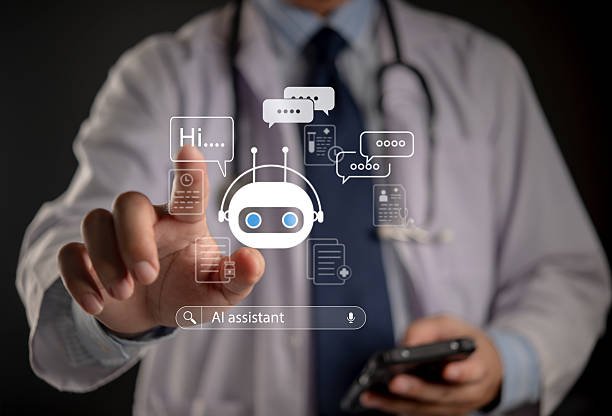
As healthcare continues to evolve, virtual nursing assistants are poised to revolutionize patient care by enhancing accessibility and reducing costs. These innovative tools not only streamline communication between patients and healthcare providers but also play a crucial role in maintaining compliance, which can significantly impact healthcare outcomes and reduce the impact of non-compliance in healthcare.
Understanding Virtual Nursing Assistants
Virtual nursing assistants are AI-driven applications or software designed to assist patients and healthcare professionals in managing healthcare tasks efficiently. They leverage natural language processing, machine learning, and Data Analytics to provide personalized care, education, and support. Here’s a closer look at how VNAs operate:
Key Functions of Virtual Nursing Assistants
Virtual nursing assistants are transforming the healthcare landscape by providing round-the-clock support and facilitating patient engagement. These AI-driven solutions can manage routine inquiries and monitor patient health, allowing human nurses to focus on more complex care needs. For further insights into this technology, explore recent software developments.
- Patient Monitoring: VNAs can track patient vitals and symptoms in real-time, alerting healthcare providers when immediate action is required.
- Medication Management: They remind patients to take their medications, provide information regarding dosages, and explain potential side effects.
- Health Education: VNAs can deliver tailored educational content to patients based on their specific health conditions and treatment plans.
- Appointment Scheduling: They assist patients in scheduling appointments, sending reminders, and even facilitating telehealth visits.
- Symptom Assessment: By asking targeted questions, VNAs can evaluate a patient’s symptoms, providing preliminary insights before a healthcare professional assesses the situation.
Benefits of Implementing VNAs in Healthcare
The implementation of virtual nursing assistants presents numerous advantages for healthcare systems, patients, and providers alike. Here are some of the most notable benefits:
1. Increased Efficiency
VNAs streamline healthcare processes, allowing nurses and doctors to focus on more complex tasks. This enhances workflow and optimizes resource allocation.
2. Enhanced Accessibility
Patients can access care and information anytime, anywhere, breaking down traditional barriers to healthcare access. This is especially critical in rural or underserved areas.
3. Improved Patient Engagement
By providing continuous support and timely reminders, VNAs foster greater patient engagement and adherence to treatment plans.
4. Cost-Effectiveness
Reducing the need for in-person visits and hospitalizations can lower healthcare costs significantly. VNAs can help minimize unnecessary emergency room visits, leading to substantial cost savings.
5. Personalized Care
With advanced data analytics, VNAs can customize interactions based on individual patient needs, improving overall care quality.
Challenges and Considerations
Despite their potential, the adoption of virtual nursing assistants is not without challenges. Here are some critical considerations:
Data Privacy and Security
As VNAs handle sensitive patient information, ensuring data privacy and compliance with regulations like HIPAA is paramount.
Integration with Existing Systems
Integrating VNAs into existing healthcare IT systems can be complex and may require significant investment in technology and training.
User Acceptance
Patients and healthcare professionals must be willing to embrace these digital tools. Education and training are essential to ensure smooth adoption.
Use Cases of Virtual Nursing Assistants
Real-world applications of VNAs demonstrate their versatility and effectiveness in various healthcare settings. Here are some illustrative use cases:
Chronic Disease Management
VNAs play a vital role in managing chronic diseases such as diabetes or hypertension. For example:
- They can monitor blood glucose levels and remind patients to take insulin.
- Provide dietary recommendations and track physical activity.
Post-Operative Care
In the context of post-operative recovery, VNAs assist patients by:
- Checking in on recovery progress regularly.
- Ensuring adherence to medication schedules.
- Identifying potential complications early through symptom assessment.
Mental Health Support
VNAs can also provide support for mental health conditions by:
- Offering guided meditations and relaxation techniques.
- Monitoring mood and emotional states.
- Facilitating access to teletherapy sessions.
The Future of Virtual Nursing Assistants
The future of VNAs appears promising as technology continues to evolve. Several trends are likely to shape the development and implementation of these digital healthcare tools:
Advancements in AI and Machine Learning
As AI technologies advance, VNAs will become more sophisticated, providing even more accurate assessments and personalized care recommendations.
Increased Adoption in Telehealth
The rise of telehealth services will enhance the role of VNAs, allowing for seamless integration into virtual consultations and remote monitoring.
Greater Focus on Patient-Centric Care
Healthcare systems are increasingly prioritizing patient-centered approaches. VNAs will play a crucial role in aligning with this focus by providing tailored experiences to individuals.
Conclusion
The advent of virtual nursing assistants marks a significant leap forward in the evolution of healthcare. By enhancing patient engagement, improving accessibility, and streamlining processes, VNAs are set to become indispensable tools in modern medical practice. As technology continues to advance, the potential for VNAs to transform healthcare is profound, offering a glimpse into a future where patient care is more personalized, efficient, and effective.
FAQ
What are virtual nursing assistants?
Virtual nursing assistants are AI-powered tools or applications that provide patients with support and guidance in managing their health, including symptom assessment, medication reminders, and general health inquiries.
How do virtual nursing assistants improve patient care?
Virtual nursing assistants enhance patient care by providing real-time support, increasing accessibility to healthcare information, and allowing healthcare professionals to focus on more complex patient needs.
Are virtual nursing assistants secure and compliant with healthcare regulations?
Yes, reputable virtual nursing assistants are designed to comply with healthcare regulations such as HIPAA, ensuring that patient information is kept secure and confidential.
Can virtual nursing assistants reduce healthcare costs?
Yes, by streamlining patient interactions and reducing unnecessary hospital visits, virtual nursing assistants can contribute to lower healthcare costs for both providers and patients.
What technologies are used in virtual nursing assistants?
Virtual nursing assistants utilize artificial intelligence, machine learning, natural language processing, and telehealth technologies to interact with patients and provide personalized care.