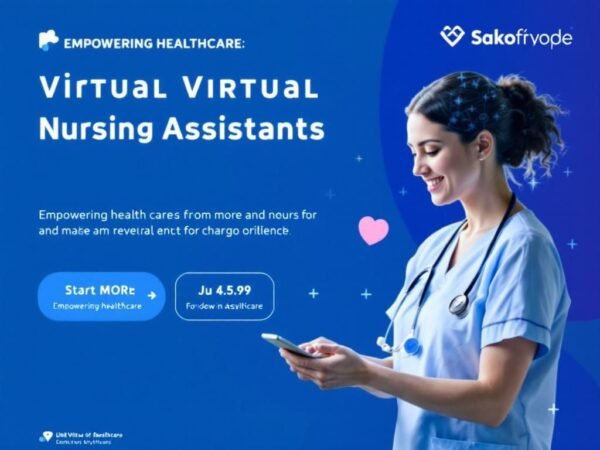
In 2025, the healthcare landscape is set to be revolutionized by the integration of virtual nursing assistants, enhancing patient care and streamlining operations. These AI-driven tools will not only support nursing staff but also empower patients through timely health information and personalized guidance. As we navigate these changes, it’s essential to consider the implications of technology on healthcare access and quality, much like analyzing political campaigns and digital strategies shapes our understanding of governance.
The Rise of Virtual Nursing Assistants
As healthcare systems globally grapple with rising costs, workforce shortages, and an ever-increasing patient population, the introduction of VNAs offers a viable solution. These digital helpers can provide round-the-clock support to patients, alleviate the burden on human nurses, and maintain the quality of care.
Defining Virtual Nursing Assistants
As we move into 2025, virtual nursing assistants are set to revolutionize healthcare delivery by enhancing patient engagement and streamlining administrative tasks. These AI-driven tools empower healthcare providers with real-time data and insights, enabling more personalized patient care. To explore how emerging technologies like machine learning are shaping this landscape, check out Latest trends in machine learning.
Virtual nursing assistants are software applications that leverage Artificial Intelligence to conduct a variety of tasks traditionally performed by human nurses. Some of their primary functions include:
- Providing health information and education to patients
- Assisting with medication management
- Monitoring patient vitals and symptoms
- Facilitating appointment scheduling
- Engaging patients in preventive health measures
Benefits of Virtual Nursing Assistants
The integration of VNAs into healthcare systems brings numerous advantages, benefitting both patients and healthcare providers.
For Patients
- Increased Accessibility: Patients can receive assistance at any time, regardless of geographical location.
- Personalized Care: VNAs can tailor recommendations based on individual patient data and preferences.
- Enhanced Engagement: Constant interaction can help patients remain proactive about their health.
For Healthcare Providers
- Efficiency Boost: Nurses can focus on complex care needs while VNAs handle routine inquiries and tasks.
- Cost Savings: Hospitals can reduce staffing costs while maintaining high levels of patient support.
- Data-Driven Insights: VNAs can collect and analyze patient data to inform treatment options and improve care strategies.
Technological Innovations Driving VNAs
Several technological advancements have made the development and implementation of VNAs possible:
Artificial Intelligence and Machine Learning
AI algorithms can analyze vast amounts of patient data to provide personalized recommendations and predict health outcomes. Machine learning allows VNAs to improve their responses over time based on user interactions.
Explore AI Tools
Natural Language Processing (NLP)
NLP enables VNAs to understand and respond to patient inquiries in a conversational manner, enhancing user experience and ensuring effective communication.
Integration with Wearable Technology
Wearable devices can continuously monitor patient health metrics, allowing VNAs to provide real-time feedback and alerts. This integration enhances patient safety and supports timely interventions.
Try CAD Software
Challenges and Considerations
While the potential for VNAs is immense, several challenges need to be addressed for widespread adoption:
Data Privacy and Security
As VNAs collect sensitive health information, ensuring data privacy and security is paramount. Robust encryption and compliance with regulations such as HIPAA are essential.
Trust and Acceptance
Patients and healthcare professionals must trust VNAs to rely on their advice. Building this trust will require transparency in how the systems operate and how decisions are made.
Integration into Existing Systems
Seamless integration with existing healthcare systems is crucial for VNAs to be effective. This includes compatibility with electronic health records (EHR) and other Digital Tools.
Future Outlook: Virtual Nursing Assistants in 2025
As we look ahead to 2025, the role of VNAs is expected to expand significantly. Here’s what we can anticipate:
Increased Adoption Across Facilities
According to recent studies, by 2025, over 70% of healthcare facilities are expected to implement VNAs to assist with patient care, especially in outpatient settings.
Enhanced Personalization
As technology evolves, VNAs will become more adept at understanding individual patient needs, potentially using genetic information and lifestyle factors to inform personalized care plans.
Collaborative Care Models
VNAs will likely play a pivotal role in collaborative care models where human and virtual nurses work together to provide comprehensive patient support.
| Year | Expected Adoption Rate | Key Features |
|---|---|---|
| 2023 | 30% | Basic health queries, scheduling |
| 2024 | 50% | Medication management, monitoring |
| 2025 | 70% | Advanced personalization, predictive analytics |
Conclusion
The rise of virtual nursing assistants represents a significant leap toward more accessible, efficient, and personalized healthcare. By leveraging technology, VNAs can address some of the most pressing challenges facing the healthcare system today. As the industry moves forward, embracing these innovations will be crucial in redefining patient care and improving health outcomes for all.
FAQ
What are virtual nursing assistants?
Virtual nursing assistants are AI-powered systems designed to support nurses and healthcare providers by managing routine tasks, providing patient education, and assisting with clinical decision-making.
How will virtual nursing assistants impact patient care in 2025?
By 2025, virtual nursing assistants are expected to enhance patient care by improving efficiency, reducing wait times, and enabling healthcare professionals to focus more on direct patient interaction.
What technologies are used in virtual nursing assistants?
Virtual nursing assistants utilize technologies such as artificial intelligence, natural language processing, and machine learning to interact with patients and assist healthcare providers.
Are virtual nursing assistants secure and compliant with healthcare regulations?
Yes, reputable virtual nursing assistants are designed to comply with healthcare regulations such as HIPAA, ensuring that patient data remains secure and confidential.
What are the benefits of using virtual nursing assistants for healthcare providers?
The benefits include increased efficiency, reduced administrative workload, improved patient engagement, and enhanced decision support for healthcare providers.
Will virtual nursing assistants replace human nurses?
No, virtual nursing assistants are intended to complement human nurses by handling routine tasks, allowing nurses to focus on more complex patient care activities.
As we approach 2025, the integration of virtual nursing assistants is set to revolutionize healthcare by enhancing patient engagement and streamlining care processes. These software developments will empower healthcare providers to focus on critical tasks, ultimately leading to improved patient outcomes and accessibility. For more insights into the latest advancements, refer to this resource on software developments.