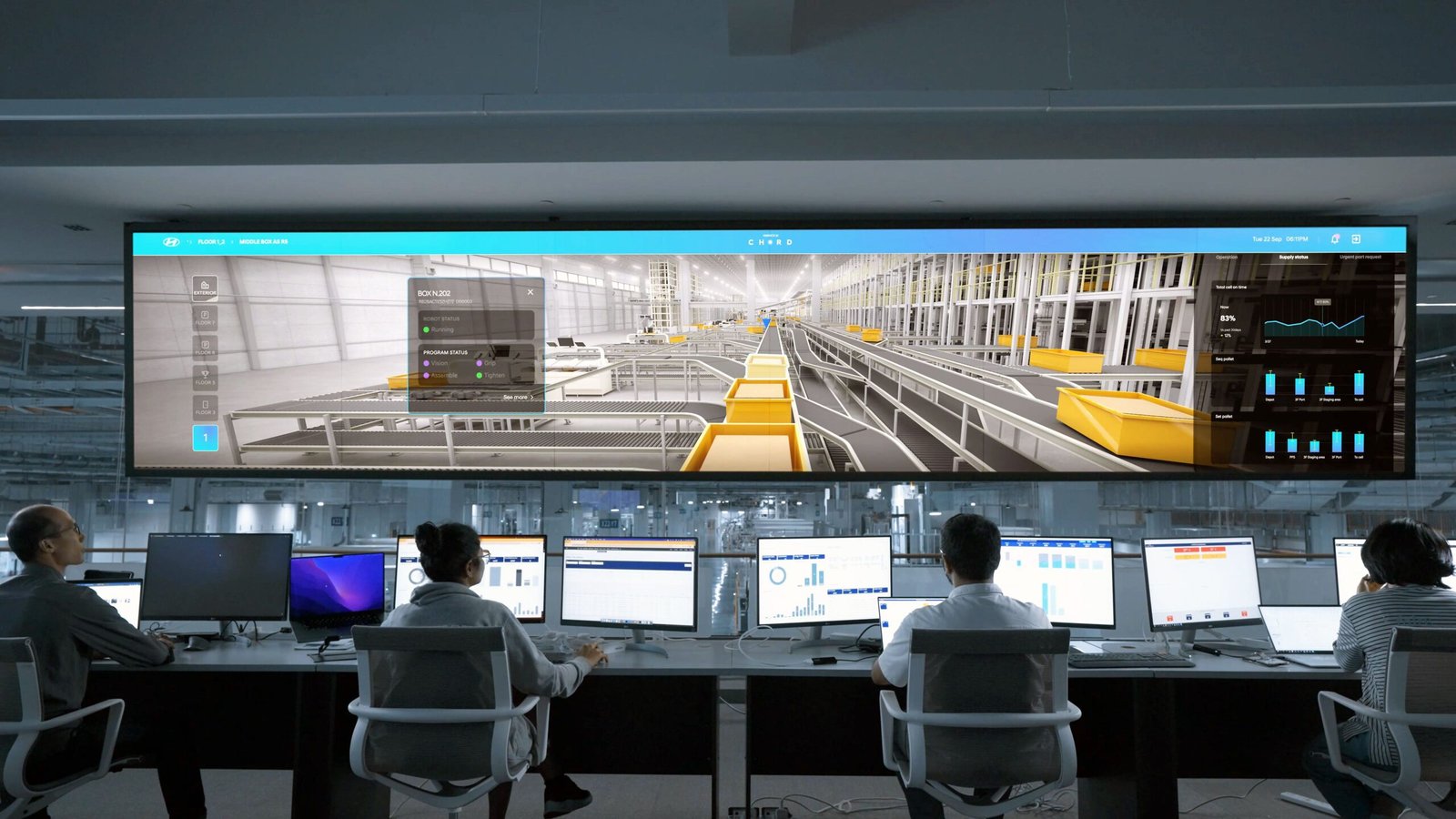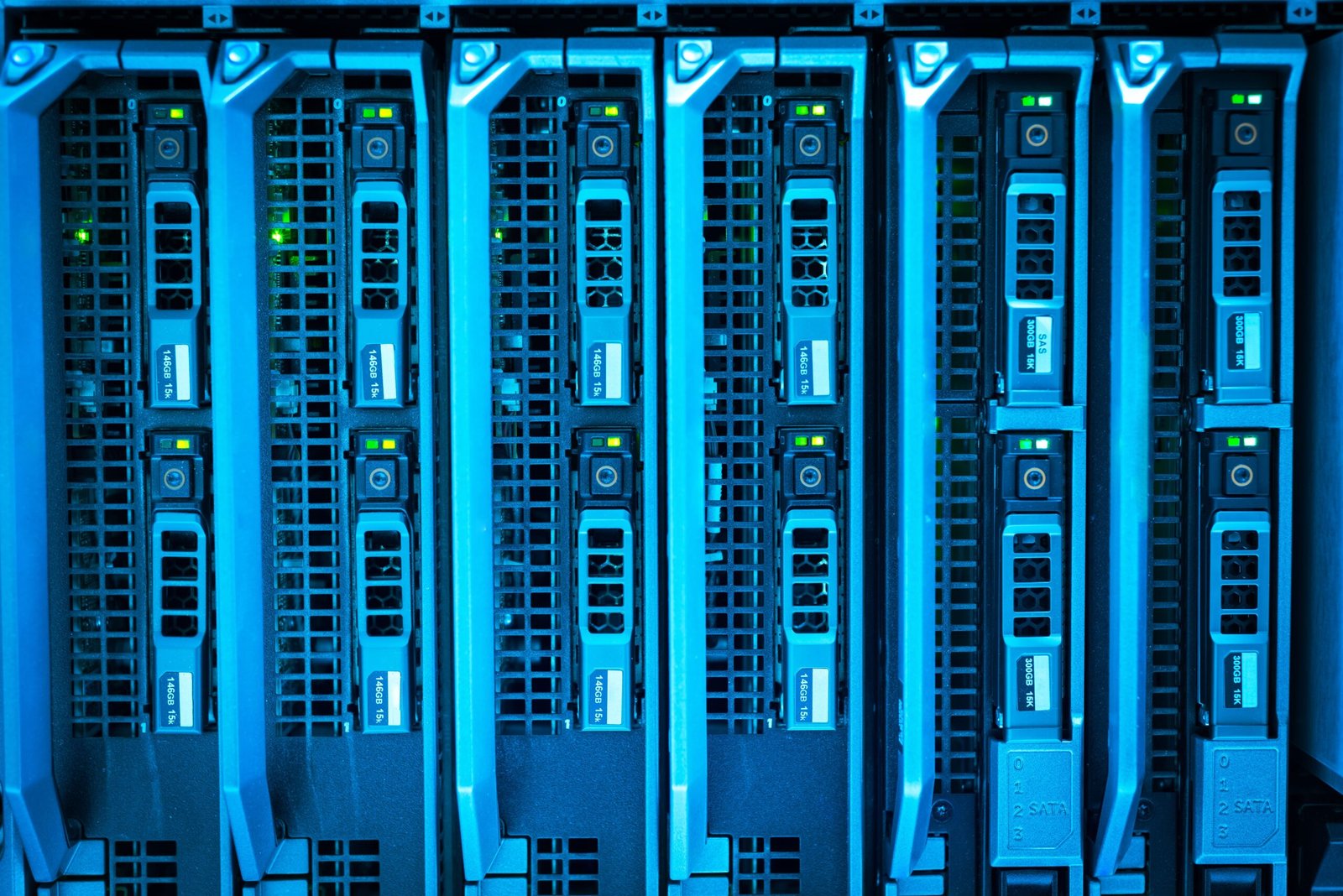
As connected devices multiply, sending every piece of data to a distant cloud data center is not always practical. Edge computing moves processing closer to where data is created, while the cloud continues to provide scale and central coordination. The two work best as partners.
What Is Edge Computing?
Edge computing processes data on or near the device that generates it, such as a sensor, a camera, a factory machine or a local gateway. Instead of sending raw data across the internet for every decision, the edge handles time-sensitive tasks locally and forwards only what matters.
Why Edge Computing Matters
- Lower latency: decisions happen in milliseconds because data does not travel far.
- Reduced bandwidth use: only filtered or summarized data goes to the cloud.
- Better resilience: local systems can keep working during network interruptions.
- Data privacy and locality: sensitive data can stay on site or within a region.
How Edge and Cloud Work Together
The edge and the cloud have different strengths. The edge is fast and local; the cloud is powerful and centralized. A common pattern looks like this:
- Devices collect data at the edge.
- Edge nodes filter, analyze and act on time-critical information.
- Summaries and important events are sent to the cloud.
- The cloud stores data long term, trains machine learning models and runs large-scale analytics.
- Updated models and configurations are pushed back out to the edge.
Real-World Examples
- Manufacturing: machines detect faults locally and trigger immediate shutdowns, while the cloud analyzes trends across factories.
- Retail: in-store systems keep checkout running offline and sync sales later.
- Healthcare: monitoring devices process patient data locally and alert staff quickly.
- Smart cities: traffic systems respond to conditions in real time.
- Video and content delivery: content is cached near users for faster loading.
Challenges to Plan For
Management at scale: hundreds or thousands of edge locations must be updated and monitored consistently. Security: distributed devices increase the attack surface, so strong authentication, encryption and patching are essential. Hardware limits: edge devices have less compute and storage than a data center. Consistency: keeping data and software synchronized across locations takes careful design.
Tips for Getting Started
- Identify use cases where latency, bandwidth or offline operation is a genuine requirement.
- Use containers so the same software can run at the edge and in the cloud.
- Automate deployment, updates and monitoring from a central point.
- Start with a small pilot site before expanding.
Final Thoughts
Edge computing does not replace the cloud; it extends it. Use the edge for speed and local autonomy, and the cloud for scale, storage and intelligence, and you get the benefits of both.