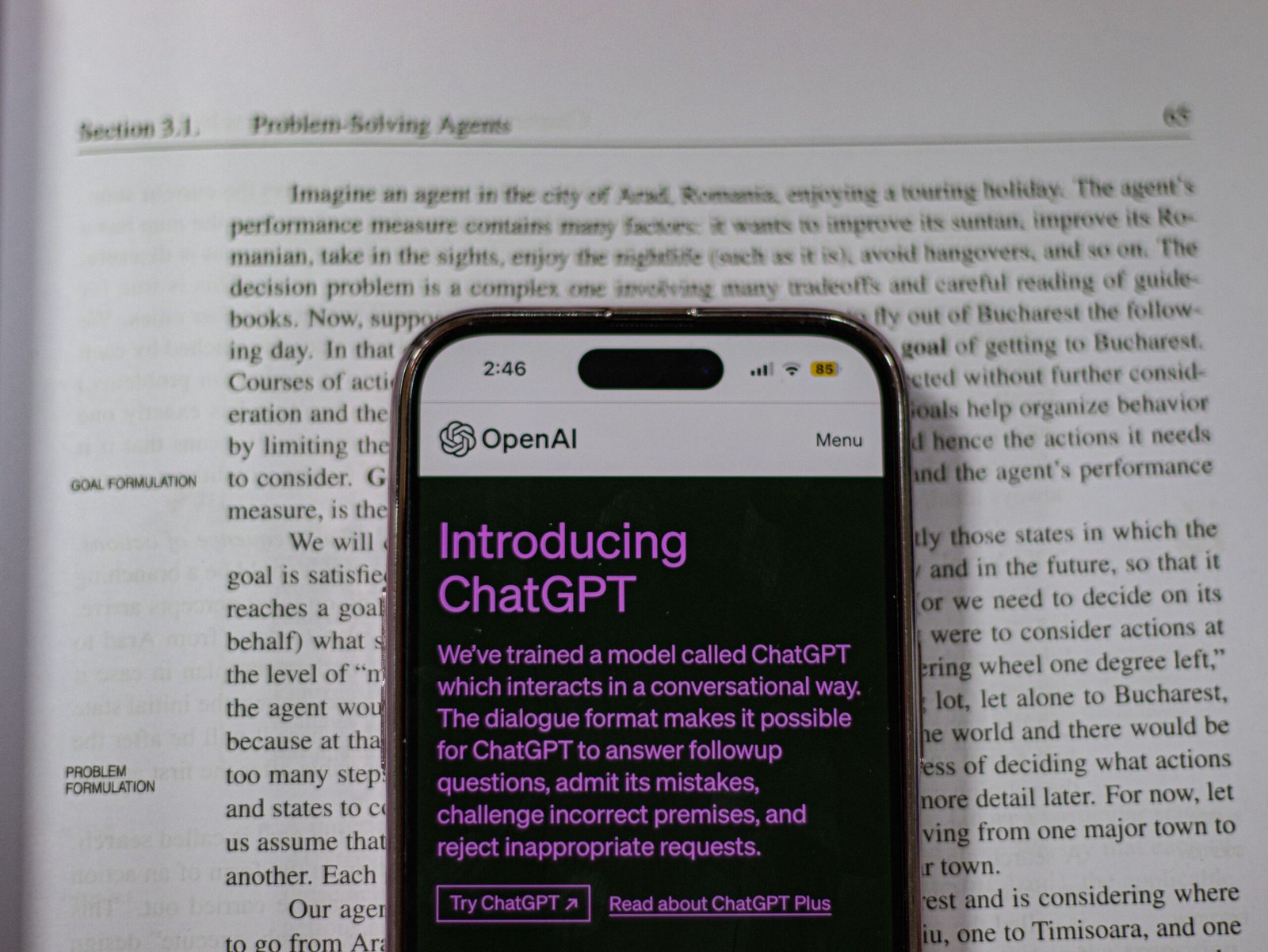
Every student benefits from one-to-one attention, but few schools can provide it for everyone. AI tutors aim to close that gap by offering patient, always-available guidance that responds to each learner’s questions. Understanding what they do well, and where they fall short, helps students and educators use them wisely.
What Is an AI Tutor?
An AI tutor is software that helps students learn by explaining concepts, answering questions, giving hints and checking understanding. Earlier intelligent tutoring systems followed structured, pre-built lesson paths. Newer tools based on large language models can hold open-ended conversations, rephrase explanations and adapt to how a student asks a question.
What AI Tutors Can Do
- Explain concepts in different ways: try another analogy or simpler wording when a first explanation does not land.
- Offer step-by-step help: guide a student through a math or science problem instead of just giving the answer.
- Provide practice questions: generate exercises at the right level.
- Support language learning: offer conversation practice and gentle corrections.
- Be available any time: useful for homework help outside school hours.
Who Benefits Most
Students who need extra practice, those who are reluctant to ask questions in class, and learners studying independently can gain a lot. Adults returning to study and students learning in a second language may also find a patient, judgment-free helper valuable.
Limitations to Understand
- Errors: AI can state incorrect information with confidence, so important facts should be verified against textbooks or teachers.
- Shortcut risk: students may ask for answers instead of building understanding.
- Limited human connection: encouragement, mentoring and classroom community cannot be fully replaced.
- Privacy: students, especially minors, should not share personal details, and schools should check how conversations are stored.
How to Use an AI Tutor Well
- Ask for explanations, not just answers: request hints and reasoning first.
- Try the problem yourself: then compare your attempt with the AI’s guidance.
- Explain it back: restate the concept in your own words and ask the tutor to check it.
- Verify key facts: cross-check with trusted course materials.
- Use it alongside teachers: bring confusing topics to class for discussion.
Advice for Teachers and Parents
Set clear expectations about when AI help is appropriate, encourage students to show their thinking, and talk openly about the tool’s strengths and weaknesses. Choose education-focused tools with appropriate safeguards for younger users.
Final Thoughts
AI tutors are best seen as a supportive study partner, not a replacement for effort or for teachers. Students who use them to ask better questions and test their understanding will get the most from them.