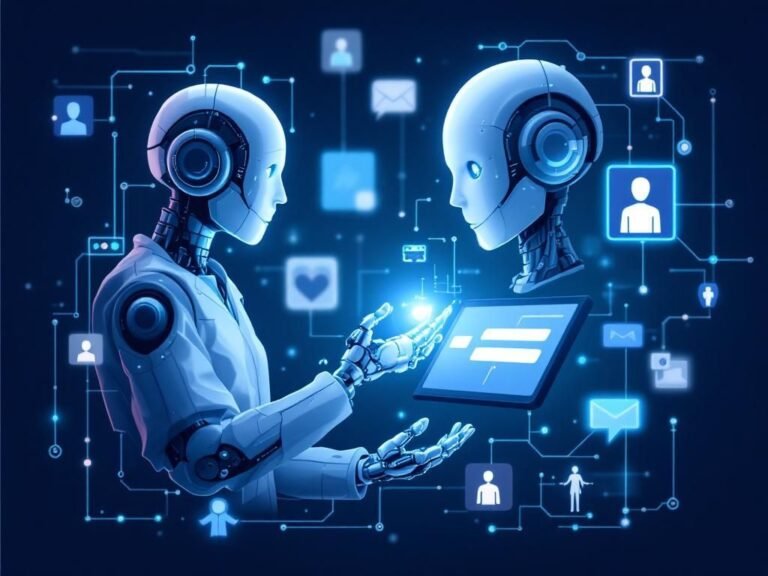
AI chatbots are transforming the landscape of patient communication by providing timely, accurate responses to inquiries and facilitating smoother interactions between healthcare providers and patients. These advanced tools not only enhance accessibility but also streamline processes, ultimately enhancing patient care with technology. As a result, both patients and healthcare systems benefit from improved efficiency and satisfaction.
The Rise of AI in Healthcare
Healthcare has seen exponential growth in technology adoption over the past decade. From electronic health records to telemedicine, the integration of AI tools has proven to be transformative. Chatbots, in particular, are emerging as a preferred means of interaction between patients and healthcare providers. The reasons for this rise include:
- Increased Demand: With a growing population and an increasing number of chronic diseases, healthcare systems are under pressure to enhance service delivery.
- Cost Efficiency: AI chatbots can help reduce operational costs by automating routine tasks, allowing healthcare professionals to focus on more complex patient needs.
- 24/7 Availability: Unlike traditional communication methods, chatbots can provide information and assistance to patients at any time of day.
Key Features of AI Chatbots
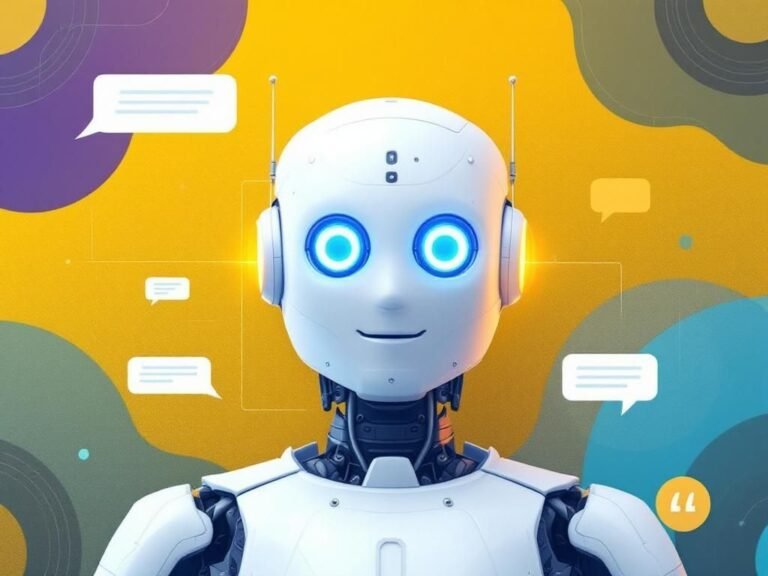
AI chatbots are transforming the way healthcare providers communicate with patients, enabling faster responses to inquiries and streamlining appointment scheduling. By offering 24/7 availability, these intelligent systems enhance patient engagement and satisfaction. For more on tech advancements, visit tech news updates.
AI chatbots excel due to several key features that enhance their usability and effectiveness in patient communication:
- Natural Language Processing (NLP): NLP capabilities enable chatbots to understand and respond to patient inquiries in a conversational manner.
- Personalization: By analyzing patient data, chatbots can tailor interactions based on individual preferences and health histories.
- Integration with Other Systems: Chatbots can seamlessly integrate with electronic health records (EHRs) and appointment scheduling systems.
Benefits of AI Chatbots in Patient Communication
The implementation of AI chatbots in healthcare offers numerous advantages. Some of the most significant benefits include:
Machine Learning & Artificial Intelligence
Improved Accessibility
Patients often face barriers when trying to communicate with healthcare providers. AI chatbots can:
- Provide immediate answers to frequently asked questions.
- Facilitate easier appointment scheduling.
- Guide patients through medical processes or insurance claims.
Enhanced Patient Engagement
AI chatbots can play a crucial role in increasing patient engagement by:
- Reminding patients about medication schedules.
- Offering health tips and educational resources.
- Encouraging follow-up appointments and check-ins.
Data Collection and Analysis
Chatbots can efficiently gather patient data through interactions. This data is valuable for:
- Identifying patient needs and trends.
- Improving service delivery based on feedback.
- Facilitating research by anonymizing patient interactions.
Challenges in Implementing AI Chatbots
Despite the numerous benefits, the implementation of AI chatbots in healthcare is not without its challenges:
Privacy and Security Concerns
Health information is highly sensitive and must be protected. Chatbot developers need to ensure:
- Compliance with regulations like HIPAA in the United States.
- Robust data encryption techniques to secure personal information.
Limitations in Understanding Context
While advanced NLP enables chatbots to understand language, they can still struggle with:
- Complex queries that require contextual awareness.
- Emotion detection, which is crucial in healthcare communication.
Case Studies of Successful Implementation
Several healthcare organizations have successfully implemented AI chatbots to enhance patient communication:
Machine Learning & Artificial Intelligence
| Organization | Description | Outcome |
|---|---|---|
| Mayo Clinic | Used a chatbot for symptom assessment. | Reduced wait times for patients. |
| Babylon Health | Offers virtual consultations via a chatbot. | Improved patient access to primary care. |
| Buoy Health | Guides users through symptom checkers. | Increased patient engagement and satisfaction. |
The Future of AI Chatbots in Healthcare
As AI Technology continues to advance, the future of chatbots in healthcare looks promising. Expected developments include:
- Greater Integration: Chatbots will integrate deeper into healthcare ecosystems, connecting with wearable devices and remote monitoring systems.
- Improved Customization: Future AI chatbots will utilize Machine Learning to become more personalized over time, adapting to individual patient needs.
- Emotional Intelligence: Enhancements in sentiment analysis may allow chatbots to understand and react to patient emotions better.
The Role of Healthcare Professionals
While AI chatbots can handle many tasks, human oversight remains essential. Healthcare professionals should:
- Monitor chatbot interactions for quality assurance.
- Provide support for complex cases that require human intervention.
- Utilize data gathered by chatbots to improve patient care and communication.
Conclusion
AI chatbots are revolutionizing patient communication by offering accessible, efficient, and personalized service. While challenges remain, the benefits of implementing chatbots in healthcare are undeniable. As technology continues to evolve, these AI systems will play an increasingly crucial role in enhancing the patient experience, bridging the gap between patients and healthcare providers, and ultimately improving health outcomes.
Machine Learning & Artificial Intelligence
FAQ
How can AI chatbots improve patient communication?
AI chatbots can enhance patient communication by providing instant responses, streamlining appointment scheduling, and offering personalized health advice, which ultimately leads to improved patient satisfaction.
What are the benefits of using AI chatbots in healthcare?
The benefits of using AI chatbots in healthcare include 24/7 availability, reduced wait times, efficient handling of patient inquiries, and the ability to collect data for better patient insights.
Are AI chatbots secure for patient data?
Yes, reputable AI chatbots are designed with security measures in place to protect patient data, ensuring compliance with healthcare regulations such as HIPAA.
Can AI chatbots provide medical advice?
While AI chatbots can offer general health information and support, they should not replace professional medical advice or diagnosis from a qualified healthcare provider.
How do AI chatbots enhance patient engagement?
AI chatbots enhance patient engagement by providing personalized interactions, sending reminders for appointments or medication, and facilitating communication with healthcare providers.
What is the future of AI chatbots in healthcare?
The future of AI chatbots in healthcare looks promising, with advancements in natural language processing and machine learning expected to improve their capabilities and integration into patient care.
Machine Learning & Artificial Intelligence
AI chatbots are transforming patient communication by providing instant, round-the-clock support for inquiries and appointment scheduling. This technology not only enhances patient engagement but also streamlines healthcare operations, allowing providers to focus more on delivering quality care. For those interested in delving deeper into these advancements, consider exploring language models.