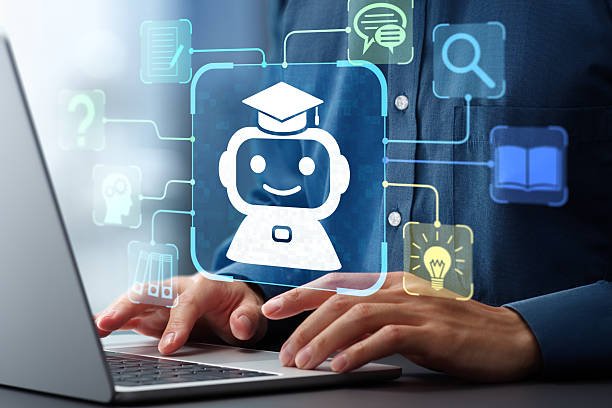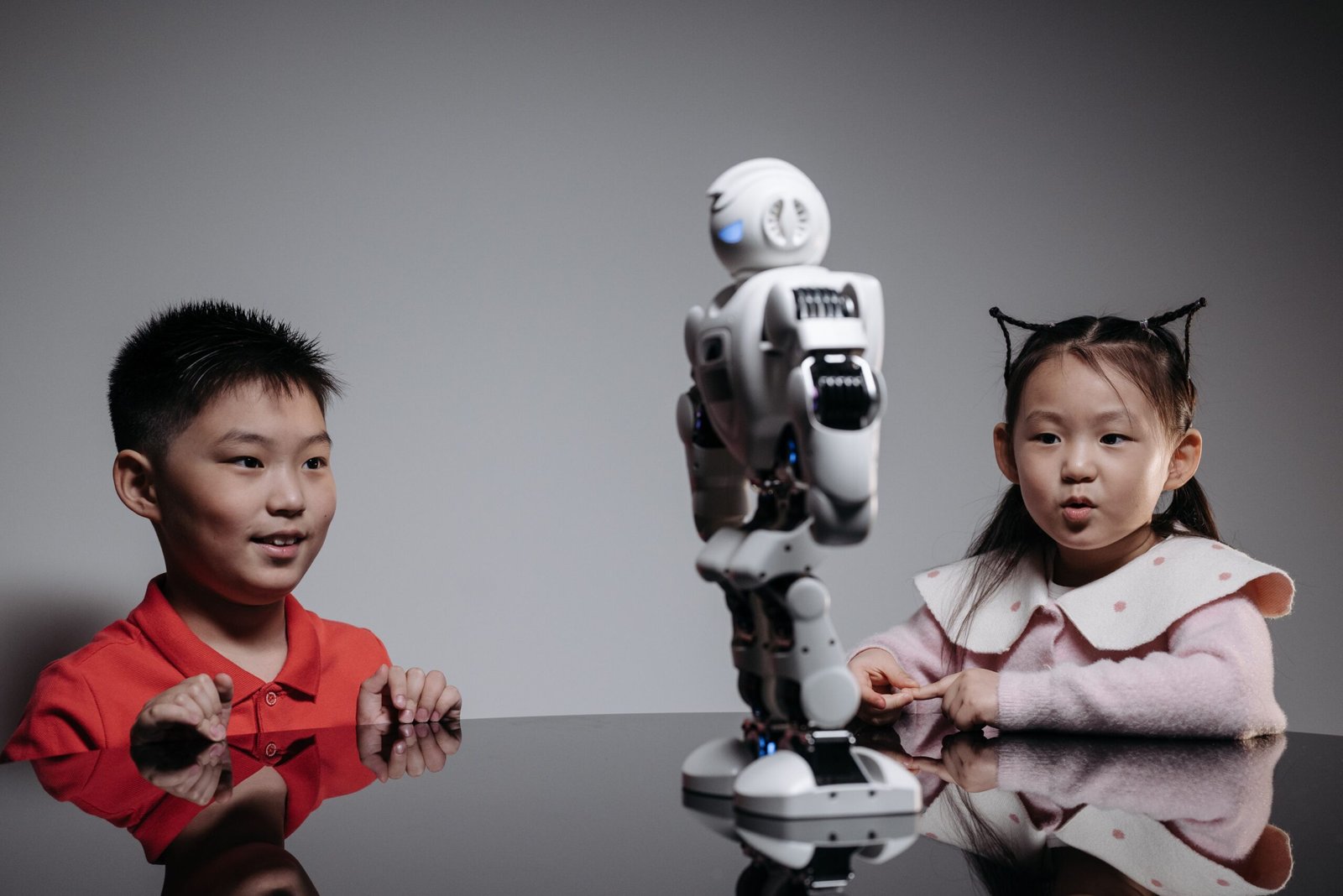
No two students learn at the same pace or in the same way. Traditional classrooms, built around a single lesson for a whole group, struggle to meet every learner’s needs. Artificial intelligence offers a practical way to tailor learning to each student, and personalized learning is now one of the most promising uses of AI in education.
What Is Personalized Learning?
Personalized learning adjusts content, pace and support based on an individual student’s needs, strengths and goals. Instead of moving through the same material at the same speed, each learner follows a path suited to them. AI makes this possible at scale by analyzing how students interact with material and adapting in real time.
How AI Personalizes Learning
- Adaptive difficulty: questions get easier or harder depending on a student’s answers.
- Targeted practice: the system identifies weak areas and recommends specific exercises.
- Flexible pacing: students can move ahead when they are ready or revisit topics they find difficult.
- Varied formats: explanations can be offered as text, examples, visuals or step-by-step walkthroughs.
- Instant feedback: learners see right away what they got wrong and why.
Benefits for Students
Students who are struggling get extra support before they fall far behind, while advanced learners are challenged rather than bored. Immediate feedback keeps motivation high, and learners gain more control over how and when they study. This can be especially valuable for students who are shy about asking questions in front of a class.
Benefits for Teachers
AI-powered dashboards help teachers see which students need attention and which concepts the whole class finds difficult. This allows them to spend more time on mentoring, discussion and small-group work, rather than on routine checking and sorting.
Challenges and Cautions
- Data privacy: these systems collect detailed information about students, so schools must understand what is gathered, how it is stored and who can access it.
- Bias: if training data is unrepresentative, recommendations may serve some groups less well.
- Over-reliance: students still need teacher guidance, collaboration and social learning.
- Access: unequal access to devices and internet can widen existing gaps.
- Accuracy: automated recommendations should be reviewed by teachers, not accepted blindly.
Tips for Schools Getting Started
- Define the learning problem you want to solve before choosing a tool.
- Pilot with one subject or grade and gather feedback from teachers and students.
- Review privacy policies and data-protection requirements carefully.
- Train teachers so they can interpret the insights and adjust instruction.
- Measure results with clear indicators, such as engagement and learning outcomes.
Final Thoughts
AI will not replace great teachers, but it can give them better information and more time. Used thoughtfully, personalized learning helps each student progress at the right level, with the right support, at the right moment.