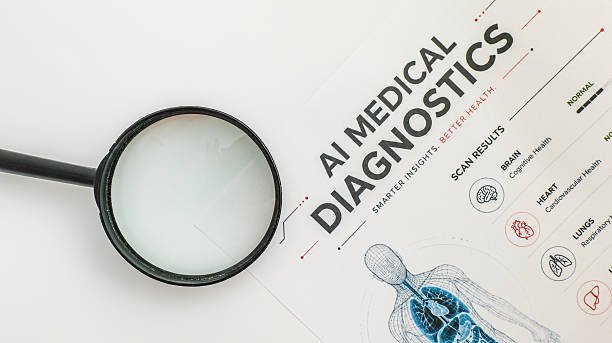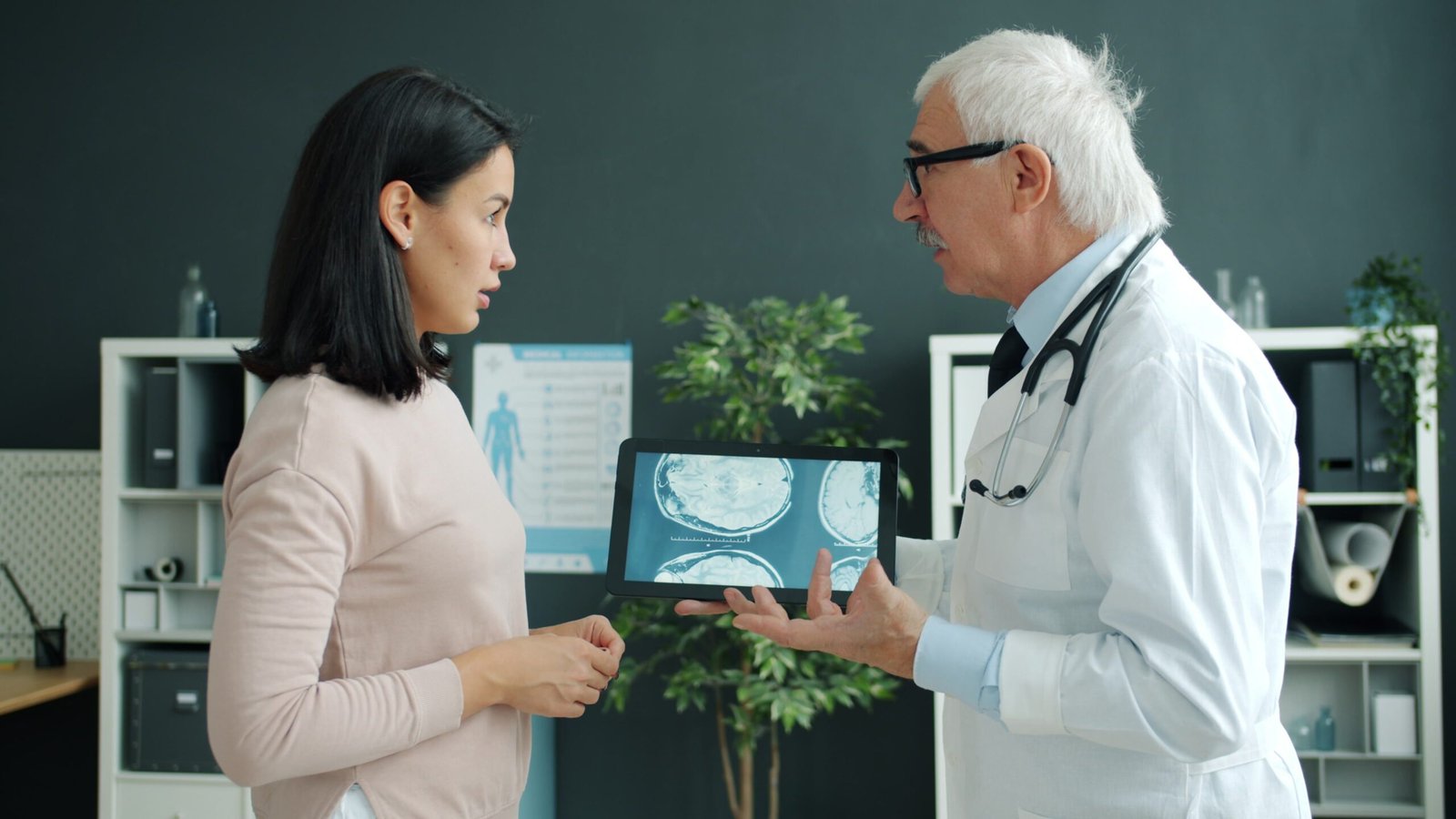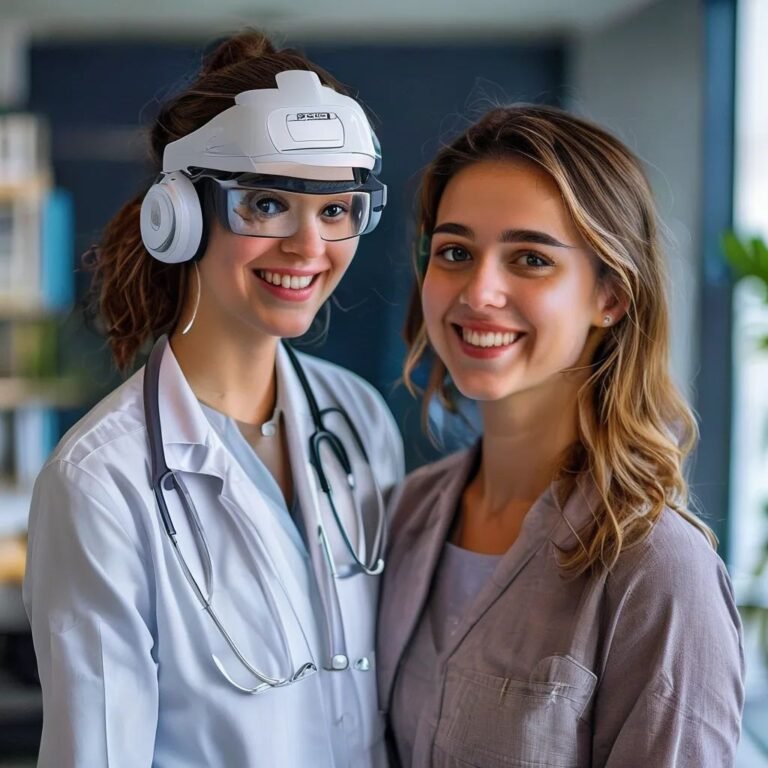
Meet your new caregiver: virtual nursing assistants are transforming patient care with cutting-edge technology. These digital helpers provide support and monitor health conditions, making healthcare more accessible and efficient. Discover the latest advancements and must-have electronics that enhance this innovative field here.
Understanding Virtual Nursing Assistants
Virtual nursing assistants (VNAs) are AI-driven applications designed to respond to patient inquiries, manage health records, and provide timely reminders for medication and appointments. Utilizing advanced machine learning algorithms and natural language processing, these systems can engage with patients in a conversational manner, making healthcare more accessible and user-friendly.
Key Features of VNAs
Virtual Nursing Assistants are set to revolutionize patient care by offering accessible and efficient support. These AI-driven tools can assist with medication reminders, health monitoring, and provide essential information, alleviating some of the workload from human caregivers. For more insights on technology shaping our lives, check out gadget reviews.
- 24/7 Availability: Unlike human nurses, VNAs can provide support around the clock, ensuring that patients receive assistance whenever they need it.
- Personalized Care: VNAs can analyze patient data to offer tailored health advice, reminders, and monitor chronic conditions effectively.
- Data Management: VNAs are capable of managing vast amounts of patient data, streamlining processes like appointment scheduling and record-keeping.
- Education and Information: VNAs can deliver evidence-based information to patients, helping them make informed decisions about their health.
Benefits of Implementing Virtual Nursing Assistants
The integration of VNAs into healthcare settings brings numerous advantages, not only for patients but also for healthcare providers.
For Patients
- Enhanced Accessibility: Patients can access health information and assistance without the need for physical visits, which is especially beneficial in rural or underserved areas.
- Improved Engagement: VNAs encourage patients to take an active role in their health management, fostering better adherence to treatment plans.
- Reduced Wait Times: With VNAs handling routine inquiries and tasks, healthcare providers can focus on more complex patient needs.
For Healthcare Providers
- Cost Savings: Reducing the burden on human staff can lead to significant operational cost savings.
- Increased Efficiency: VNAs can automate repetitive tasks, freeing up human resources for higher-level responsibilities.
- Scalability: Healthcare providers can expand their services without the immediate need for additional staff, leveraging VNAs to manage increased patient loads.
Challenges and Considerations
Despite the many benefits, the implementation of virtual nursing assistants is not without challenges.
Technical Challenges
Integrating VNAs into existing healthcare systems requires robust IT infrastructure and continuous updates to accommodate evolving technologies. Ensuring Data Security and patient privacy is paramount, as sensitive health information is handled by these digital assistants.
Patient Acceptance
The success of VNAs hinges on patient acceptance. Some individuals may prefer human interaction and could be resistant to communicating with a virtual assistant. Educating patients about the benefits and capabilities of VNAs is essential to foster trust and acceptance.
Regulatory Issues
As VNAs operate within the healthcare ecosystem, they must comply with regulations such as HIPAA in the U.S. Ensuring compliance can be complex and requires careful oversight.
Case Studies: Successful Implementations
Examining real-world applications of VNAs can provide insights into their effectiveness and viability.
Example 1: Chatbot Integration in Hospitals
A prominent hospital in California implemented a VNA chatbot on its website to handle common patient inquiries. The chatbot significantly reduced the volume of calls to the nursing staff, allowing them to concentrate on critical patient care.
Example 2: Remote Monitoring
A home healthcare service utilized VNAs to monitor patients with chronic illnesses. By analyzing real-time health data, the VNA could alert healthcare providers of any potential concerns, leading to timely interventions and improved patient outcomes.
Future of Virtual Nursing Assistants
As technology advances, the capabilities of virtual nursing assistants will continue to expand. Innovations such as voice recognition, enhanced predictive analytics, and integration with telehealth platforms promise to further transform the role of VNAs in healthcare.
Potential Innovations
- AI-Powered Diagnostics: Future VNAs may utilize AI to assist in preliminary diagnostics, generating insights based on patient-reported symptoms.
- Integration with Wearable Devices: VNAs could sync with wearable tech to provide real-time monitoring and personalized health recommendations.
- Emotional Intelligence: Advancements in AI may enable VNAs to recognize and respond to patients’ emotional cues, enhancing interpersonal interaction.
Conclusion
The integration of virtual nursing assistants into healthcare represents a paradigm shift, offering a blend of efficiency, accessibility, and personalized care. While challenges remain, the potential benefits for both patients and providers are significant. As technology continues to evolve, VNAs are poised to play an integral role in the future of healthcare, ensuring that support is always just a click away.
FAQ
What is a virtual nursing assistant?
A virtual nursing assistant is an AI-powered tool or software that helps patients manage their health care needs remotely, providing assistance with monitoring health conditions, medication reminders, and answering health-related questions.
How can virtual nursing assistants improve patient care?
Virtual nursing assistants can enhance patient care by providing real-time support, reducing the workload on human nurses, facilitating timely interventions, and improving patient engagement through consistent communication.
Are virtual nursing assistants safe and reliable?
Yes, when designed and implemented properly, virtual nursing assistants are safe and reliable, as they are built with advanced algorithms and adhere to healthcare regulations to protect patient data and ensure accuracy.
Can virtual nursing assistants replace human nurses?
While virtual nursing assistants can assist with many tasks, they are designed to complement human nurses rather than replace them, as human empathy and critical thinking are irreplaceable in caregiving.
How do virtual nursing assistants work?
Virtual nursing assistants use Artificial Intelligence and machine learning to analyze patient data, provide personalized recommendations, and communicate with patients through text or voice interfaces.
What are the benefits of using virtual nursing assistants for elderly care?
The benefits include increased accessibility to health care, enhanced monitoring of chronic conditions, improved medication adherence, and the ability to provide companionship and support to seniors living alone.
As we embrace the future of healthcare, virtual nursing assistants represent a significant advancement, providing personalized support and making care more accessible. By integrating this technology into our daily lives, we can enhance patient outcomes and streamline the caregiving process. To learn more about the foundational technologies behind these innovations, check out the Fundamentals of machine learning.