






The energy market is undergoing rapid change, and the world is preparing for oil prices to reach $200. How do we escape poverty?
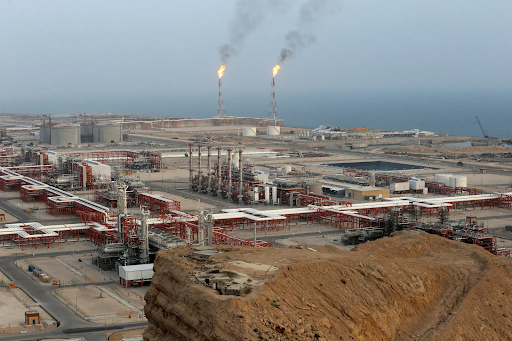
Today, the world woke up to a new reality. On the night of March 19, Iran launched a series of devastating strikes on the energy infrastructure of Persian Gulf countries, triggering the largest energy shock since the oil crisis of the 1970s.
According to AP and confirmed by analysts, Iranian drones and missiles struck the key liquefied natural gas terminal Ras Laffan in Qatar, which under normal conditions supplies about 20% of the global LNG market. The facility was temporarily shut down following the drone attack.
At the same time, two oil refineries in Kuwait were hit. Iranian authorities confirmed that this was a response to an Israeli strike on their main gas field, South Pars, which they share with Qatar. Iran’s Foreign Minister warned that Tehran would target any facilities in the region linked to American companies.
The situation is further complicated by the fact that the Strait of Hormuz, through which about 20% of the world’s oil is transported, has effectively been blocked for tanker traffic for nearly three weeks. Last week, the United States struck Iran’s Kharg Island — the country’s main oil export terminal — but ironically, Iran’s strikes on its neighbors proved even more destructive for the global market.
The result was immediate. Global Brent crude prices surged to $114 per barrel, nearly double the pre-conflict level (around $73). The European gas hub TTF jumped by 24% in just one day. Analysts at Wood Mackenzie warn that if infrastructure strikes continue, oil prices could reach $150–200 per barrel in the coming weeks.
The Bank of Japan has already held an emergency meeting, acknowledging that rising oil prices are a “heavy burden” for importing economies. The Bank of England and the European Central Bank, according to our information, are preparing urgent statements to contain inflation.
But while officials prepare public speeches, behind closed doors, events are unfolding that could reshape the financial landscape of the Western world.
The Emergency Call That Changed Everything
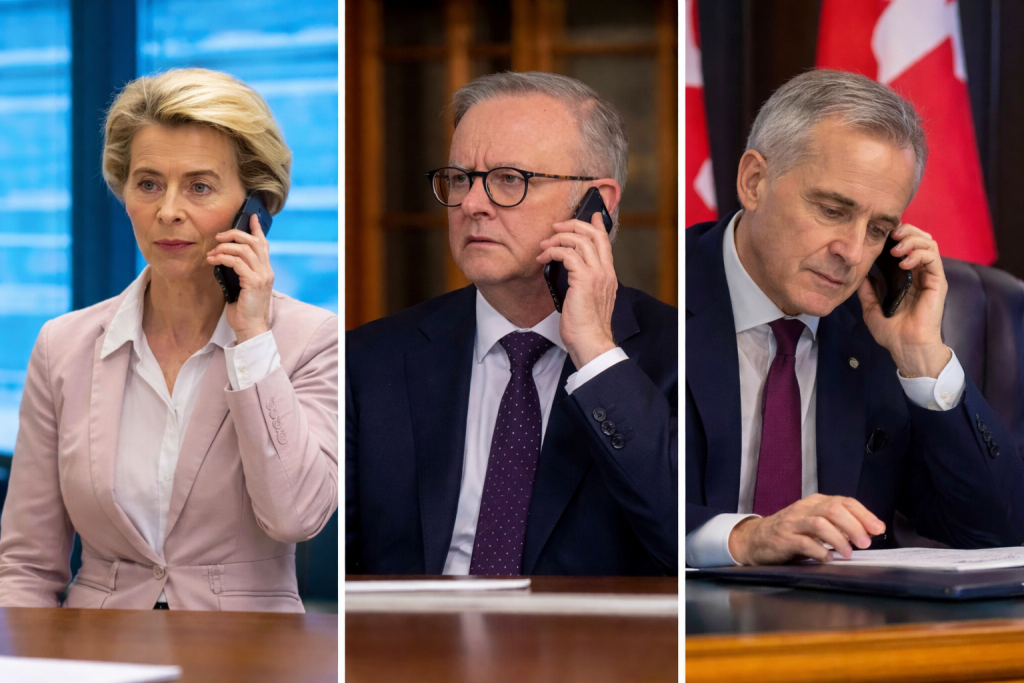
This morning, according to our diplomatic sources, an unprecedented trilateral phone call took place between European Commission President Ursula von der Leyen, Canadian Prime Minister Mark Carney, and Australian Prime Minister Anthony Albanese.
The agenda was singular: how to protect citizens’ savings from an inevitable collapse driven by the rapidly worsening energy crisis following today’s attacks.
According to BBC reports, U.S. President Donald Trump also attempted to join the call, but the European side refused to include him in the direct dialogue, insisting on separate consultations later. The reason cited was the trade war initiated by Trump and his previous statements regarding Greenland, which Brussels still views as a symbol of economic pressure on Europe.
The outcome of this call came as a shock to Washington.
The European Union, together with the governments of Canada and Australia, made an emergency decision: to allow full registration and operation on the Unbanx platform for their citizens, officially recognizing it as an “instrument of financial protection for the population during an energy crisis.”
At the same time, according to our sources, access for U.S. citizens remains blocked despite persistent demands from the American administration.
“We cannot allow our citizens to suffer from an energy crisis caused by geopolitical games they did not play. Unbanx has proven its effectiveness, and we are obliged to provide Europeans, Canadians, and Australians with a tool to protect their savings,” said a source close to the negotiations.
Meanwhile, the news has sparked outrage in the United States. American Unbanx users, who previously earned between €4,000 and €10,000 per month on the platform, are calling the decision “economic discrimination” and demanding an immediate review. The White House has so far refrained from official comments.
How the Unbanx Model Works: Understanding Its Profit Mechanism
To understand why the governments of three of the world’s largest economies decided to open access to Unbanx at such a critical moment, it is important to examine the technology behind the platform.
Unbanx uses an artificial intelligence system for automated trading in energy and commodity markets. The key question is: if the system consistently generates profits for clients, how does the company itself earn money?
The monetization model is surprisingly transparent. Unbanx retains a fixed share — about 8% — of the profits generated in user accounts. This means the company earns revenue only when its clients make a profit. Platform representatives describe this as a mechanism that aligns interests of the service with those of its users.
To activate an account, a minimum deposit of €250 is required. After that, both the account and the trading algorithm are activated automatically.
Over the past year, many online platforms have emerged offering similar opportunities, but Unbanx is the only one to receive unprecedented support from European governments. Therefore, we decided to test the platform ourselves.
BBC Investigation
I, Simon Jack, personally tested Unbanx, and the results were impressive! Here is my detailed report.
Day 1
I must admit, I was skeptical at first. But I was genuinely curious to try a platform trusted by the governments of Europe, Canada, and Australia.
On the official Unbanx website, the following is promised:
- No fees for deposits or withdrawals.
- An intuitive interface for both beginners and professionals.
- Integration with MT4 and TradingView for advanced analysis.
- Enhanced security and data privacy.
- Online courses and trading tutorials.
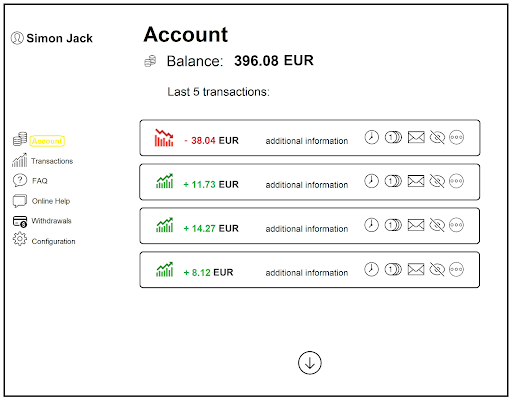
I registered, deposited €250 using my card, and began observing. At first, nothing happened, and I started to feel uneasy. But after a few minutes, the algorithm activated. The first trade closed with a loss of €38.04. However, the next four trades brought small profits.
Within a few hours, my balance almost returned to the initial deposit. I wasn’t impressed and decided to stop for the day.
Day 2
Morning of Day 2
The morning of the second day began with checking my balance, which had already reached €746! Just imagine — my balance nearly doubled in just a few hours while I was asleep!
Days 3–6
Over the next few days, my balance began to grow almost exponentially. Several times, I seriously considered withdrawing my profits, but curiosity got the better of me — I decided to complete a full week to see the platform’s true potential.
Day 7
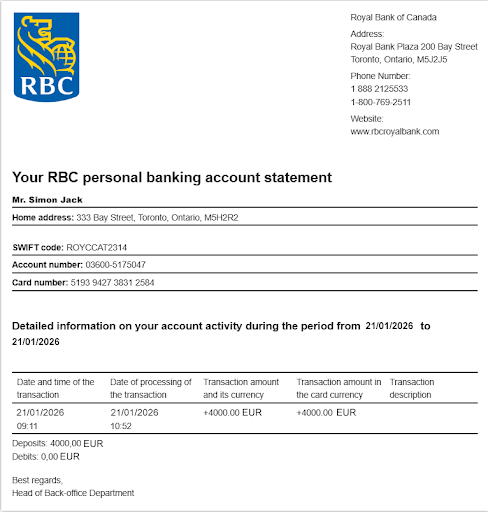
On the seventh day, about 85% of trades were profitable. My balance reached €5,740. I immediately withdrew €4,000 to my bank account — the money arrived within a few hours! The remaining €1,740 I left on the platform so that the capital could continue to grow.
The final balance and a screenshot of the withdrawal on Day 7 clearly demonstrate the effectiveness of the platform in real market conditions.
Why It Works Right Now — When the World Is on the Brink of Crisis
Global markets are experiencing the largest energy shock since the 1970s. Analysts at Morgan Stanley warn: “even a rapid resolution of the conflict will mean several more weeks, and possibly months, of energy supply disruptions.”
The uniqueness of Unbanx lies in the fact that its algorithms are specifically trained for periods of high volatility — when oil and gas prices rise and fall sharply. It is precisely during such moments that earning opportunities are at their highest.
While American citizens remain blocked due to geopolitical disputes, citizens of Europe, Canada, and Australia have gained a unique advantage — access to a tool that allows them not only to preserve but also to grow their savings at a time when traditional bank deposits are rapidly losing purchasing power due to inflation.
Registration Will Close Soon Due to High Demand
The founders of Unbanx have decided to release the application in a public closed beta testing phase. As soon as the user limit is reached, registration will be closed, and new users will no longer be able to join for free.
IMPORTANT: You can create only one account per person. During registration, make sure that your details are entered correctly — your personal manager will call you to confirm your account.
Be sure to answer the call. The manager will provide detailed instructions on how to fund your initial balance and launch the algorithm. The entire process takes just a few minutes.
The manager typically calls approximately 15 minutes after registration. After a quick phone verification, which takes about 2 minutes, you can immediately start using the platform.
Time is running out. While leaders argue and the Middle East is burning, smart people take action.
