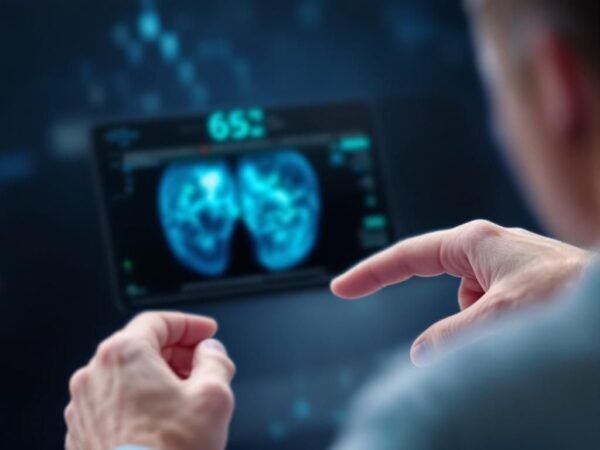
Medical image analysis platforms are essential tools in modern healthcare, enabling precise diagnostics and treatment planning. By incorporating best practices such as machine learning algorithms, user-friendly interfaces, and robust data security measures, these platforms can significantly enhance the quality of patient care. For those looking to explore best practices in other fields, you might consider checking out Explore delicious recipes.
Understanding Medical Image Analysis
Medical image analysis refers to the techniques and processes involved in extracting meaningful information from medical images such as X-rays, MRIs, CT scans, and ultrasounds. This data can reveal critical insights that assist in diagnosis, treatment planning, and patient monitoring.
With the integration of Artificial Intelligence (AI) and Machine Learning (ML), these platforms can analyze vast amounts of data with higher precision and speed, leading to improved patient outcomes.
Explore AI Tools
Key Components of Medical Image Analysis Platforms
Implementing robust data management protocols is crucial for enhancing the accuracy and efficiency of medical image analysis platforms. By leveraging advanced algorithms and machine learning techniques, these platforms can significantly improve diagnostic capabilities and patient outcomes. For a deeper understanding of how these technologies can be beneficial, explore the Benefits of machine learning technology.
1. Data Acquisition
The first step in medical image analysis is data acquisition. This involves capturing images using various imaging modalities. Best practices include:
- Utilizing high-resolution imaging devices to ensure clarity and detail.
- Standardizing imaging protocols across institutions to maintain consistency.
- Implementing quality control measures to minimize artifacts and improve image quality.
2. Data Storage and Management
Efficient data storage and management are crucial for seamless access and analysis. Consider the following:
- Utilize scalable cloud storage solutions to accommodate growing datasets.
- Implement robust data encryption to protect patient information.
- Establish clear data governance policies to regulate access and use of medical images.
Image Processing Techniques
Image Enhancement
Enhancing image quality is vital for accurate diagnosis. Common techniques include:
| Technique | Description |
|---|---|
| Histogram Equalization | Improves contrast by redistributing the intensity values. |
| Image Filtering | Removes noise and emphasizes important features. |
| Edge Detection | Identifies boundaries and outlines in the images. |
Image Segmentation
Segmentation involves partitioning an image into meaningful segments for analysis. Popular methods include:
- Thresholding: Segments based on pixel intensity.
- Region-Based Methods: Groups pixels based on predefined homogeneity criteria.
- Machine Learning Techniques: Utilizes algorithms to differentiate between anatomical structures.
Machine Learning and AI Integration
The integration of machine learning and AI has revolutionized medical image analysis. Best practices include:
Explore AI Tools
1. Training Data Quality
Using high-quality, annotated datasets is essential for training AI models:
- Curate diverse datasets to ensure generalizability across populations.
- Regularly update training data to reflect advances in imaging technology and techniques.
2. Model Validation
Validating AI models is crucial for ensuring reliability:
- Perform cross-validation using separate training and testing datasets.
- Benchmark against existing diagnostic standards to assess performance.
Compliance and Ethical Considerations
1. Regulatory Compliance
Healthcare organizations must adhere to regulations governing medical devices and patient data:
- Ensure compliance with HIPAA and other relevant legislation.
- Obtain necessary certifications from regulatory bodies for software solutions.
2. Ethical Use of AI
The ethical implications of AI in medical imaging cannot be overlooked:
- Foster transparency in AI decision-making processes.
- Address potential biases in training data to avoid inequitable healthcare delivery.
Collaboration and Continuous Improvement
Collaboration between healthcare providers, technologists, and researchers is essential for advancing medical image analysis platforms. Key practices include:
1. Interdisciplinary Collaboration
Encouraging partnerships between radiologists, data scientists, and software engineers can lead to innovative solutions.
2. Continuous Feedback Mechanisms
Establishing feedback loops allows for ongoing enhancements:
- Collect user input to identify areas for improvement in workflows.
- Implement iterative development processes to refine algorithms and user interfaces.
The Future of Medical Image Analysis
The future of medical image analysis is bright, with ongoing advancements in technology promising even greater improvements in diagnostic accuracy and patient care. Key trends to watch include:
- Expansion of AI applications in personalized medicine.
- Increased use of augmented reality (AR) for training and surgical planning.
- Development of real-time image processing capabilities to assist in dynamic clinical environments.
Conclusion
As medical image analysis platforms continue to evolve, adhering to best practices is paramount. By focusing on quality data acquisition, robust image processing techniques, ethical considerations, and fostering collaboration, healthcare providers can leverage these technologies to improve patient outcomes and revolutionize the field of medicine.
FAQ
What are the best practices for implementing medical image analysis platforms?
Best practices include ensuring Data Privacy and security, utilizing advanced algorithms for image processing, integrating seamlessly with existing healthcare systems, and providing user-friendly interfaces for healthcare professionals.
How can I ensure data privacy in medical image analysis?
Data privacy can be ensured by implementing strong encryption methods, adhering to HIPAA regulations, and regularly auditing access logs to monitor who is accessing sensitive medical data.
What algorithms are commonly used in medical image analysis?
Common algorithms include convolutional neural networks (CNNs), support vector machines (SVMs), and image segmentation techniques that enhance the accuracy of image interpretation.
How can medical image analysis platforms improve diagnostic accuracy?
By providing advanced visualization tools, automating routine tasks, and enhancing the decision-making process through AI-driven insights, these platforms can significantly improve diagnostic accuracy.
What role does machine learning play in medical image analysis?
Machine learning plays a crucial role by enabling the analysis of large datasets, improving pattern recognition, and facilitating the development of predictive models for various medical conditions.
How can I select the right medical image analysis platform for my needs?
Consider factors such as scalability, compatibility with existing systems, user feedback, compliance with regulatory standards, and the specific imaging modalities you require support for.
Incorporating robust IT security measures is essential for enhancing the reliability of medical image analysis platforms. By following best practices such as regular audits, encryption, and access controls, healthcare organizations can safeguard sensitive patient data. To learn more about securing your medical imaging systems, Explore IT security best practices.