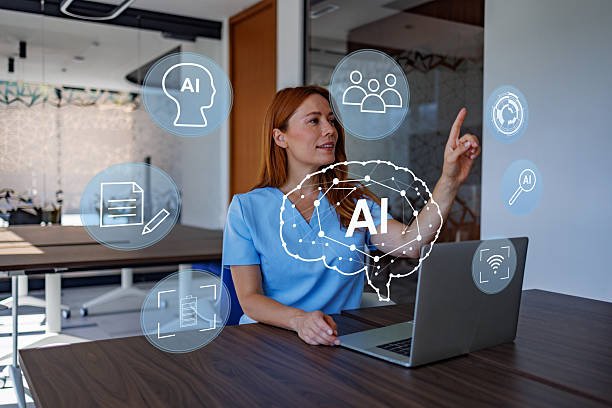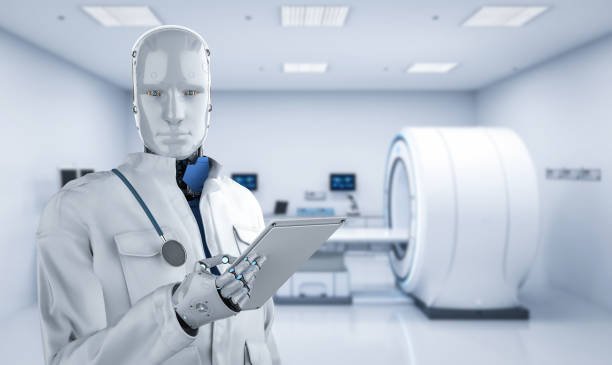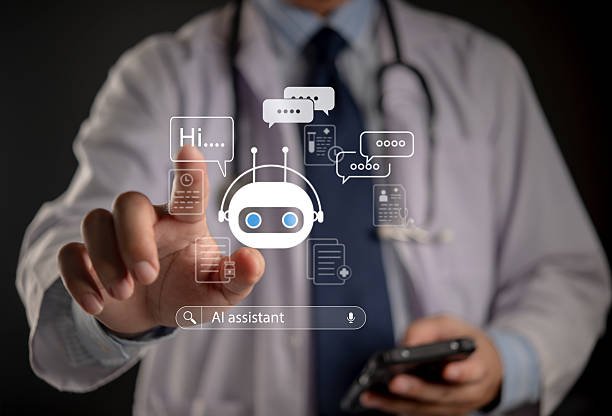
As the healthcare sector faces increasing challenges with hospital readmissions, AI technology is emerging as a transformative solution. By leveraging data analytics and predictive modeling, hospitals can identify at-risk patients and implement preventative measures, significantly reducing readmission rates. For more insights into how AI and other emerging technologies are reshaping healthcare, stay tuned.
Understanding Hospital Readmissions
Hospital readmissions can be defined as the unscheduled return of a patient to the hospital within a specified timeframe after discharge. High rates of readmissions are often an indicator of inadequate care, ineffective discharge planning, or lack of follow-up. Here are some key statistics highlighting the issue:
Learn AI Tools
- Approximately 20% of Medicare patients are readmitted within 30 days of discharge.
- Hospital readmissions can cost the U.S. healthcare system up to $44 billion annually.
- Patients with chronic diseases, such as heart failure or diabetes, are at a higher risk of readmission.
Reducing readmissions is essential not only for controlling costs but also for improving overall patient health outcomes.
The Role of AI in Healthcare
Artificial intelligence is transforming the way hospitals manage readmissions, enabling more accurate predictions and tailored patient care. By analyzing vast amounts of data, AI technologies can identify at-risk patients and recommend interventions to improve outcomes. Explore machine learning applications for more insights into how these advancements are shaping healthcare.
AI Technology has the potential to revolutionize various sectors, and healthcare is no exception. By leveraging large datasets and sophisticated algorithms, AI can identify patterns and make predictions that are beyond human capability.
Key Applications of AI in Healthcare
- Predictive Analytics: AI can analyze patient data to predict future health events.
- Personalized Treatment Plans: Machine learning algorithms can tailor treatments based on individual patient profiles.
- Operational Efficiency: AI can optimize hospital operations, reducing costs and improving patient care.
How AI Predicts Hospital Readmissions
AI employs various machine learning models to analyze an extensive range of data, including patient demographics, clinical history, and social determinants of health. The following steps outline the typical process:
Learn AI Tools
- Data Collection: Gathering comprehensive datasets, including electronic health records (EHRs), patient surveys, and historical readmission rates.
- Data Preprocessing: Cleaning and normalizing data to ensure accuracy and consistency.
- Feature Selection: Identifying key indicators that may contribute to readmission, such as age, comorbidities, and medication adherence.
- Model Training: Using algorithms like logistic regression, decision trees, or neural networks to train the model on historical data.
- Validation and Testing: Assessing the model’s performance using unseen data to ensure reliability.
- Implementation: Integrating the predictive model into hospital systems for real-time assessments.
Technologies and Tools Used in AI for Predicting Readmissions
Several technologies and tools play a role in the effective application of AI in predicting hospital readmissions:
| Technology | Description |
|---|---|
| Machine Learning Frameworks | Tools like TensorFlow and PyTorch for building predictive models. |
| Natural Language Processing (NLP) | Analyzing unstructured data from clinical notes and patient feedback. |
| Cloud Computing | Platforms such as AWS and Google Cloud for scalable data storage and processing. |
Challenges and Limitations
While the potential benefits of AI in predicting hospital readmissions are significant, there are also challenges and limitations that need to be addressed:
Data Privacy and Security
With the increasing amount of sensitive patient data involved, ensuring privacy and security is paramount. Compliance with regulations such as HIPAA in the U.S. is essential.
Bias in Data
If the data used to train AI models is biased, the predictions may also be biased, leading to disparities in care.
Learn AI Tools
Integration into Existing Systems
Successfully integrating AI tools into existing healthcare systems can be complex and require significant investment.
The Future of AI in Healthcare
The future of AI in predicting hospital readmissions and broader healthcare applications appears promising. As technology continues to evolve, here are some trends we can expect:
- Increased Personalization: AI will enable more personalized healthcare experiences by tailoring interventions to individual patient needs.
- Real-Time Monitoring: Wearable devices and IoT technology will facilitate continuous health monitoring, providing data for AI models to predict readmissions proactively.
- Collaboration between AI and Healthcare Professionals: AI will augment the decision-making capabilities of healthcare providers rather than replace them.
Conclusion
AI technology is poised to make a significant impact on the healthcare industry, particularly in predicting hospital readmissions. By harnessing vast amounts of data and advanced algorithms, healthcare providers can enhance patient care, reduce unnecessary hospital stays, and improve overall efficiency. As the technology matures, overcoming challenges related to data privacy, integration, and bias will be crucial for its success. The future of healthcare lies in our ability to leverage AI responsibly and effectively for better patient outcomes.
FAQ
What is the role of AI in predicting hospital readmissions?
AI technology analyzes patient data to identify patterns and risk factors, enabling healthcare providers to predict and prevent hospital readmissions effectively.
Learn AI Tools
How does machine learning improve hospital readmission rates?
Machine learning algorithms can process vast amounts of data, learning from previous cases to identify patients at risk of readmission and suggesting personalized care plans.
What types of data are used in AI models for hospital readmission prediction?
AI models utilize a variety of data, including patient demographics, medical history, treatment plans, and social determinants of health to assess readmission risk.
Can AI technology help reduce healthcare costs associated with readmissions?
Yes, by predicting readmissions and enabling proactive interventions, AI can significantly reduce unnecessary hospital stays and associated healthcare costs.
What are the challenges of implementing AI in predicting hospital readmissions?
Challenges include data privacy concerns, the need for high-quality data, integration with existing healthcare systems, and ensuring clinician buy-in for AI recommendations.
How can hospitals effectively use AI predictions to improve patient outcomes?
Hospitals can implement AI predictions by developing targeted follow-up plans, enhancing care coordination, and providing support resources for high-risk patients.
Learn AI Tools
As we look to the future of healthcare, the integration of AI technology in monitoring patient health and predicting needs can significantly reduce hospital readmissions. By leveraging advanced data analysis, hospitals can not only improve patient outcomes but also streamline operations and enhance overall care efficiency. To learn more about how deep learning is shaping the future of healthcare, read insights on deep learning.