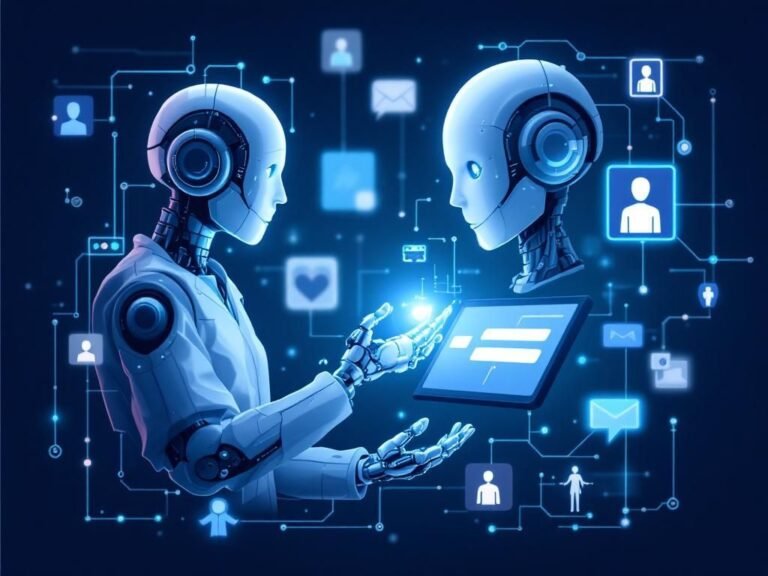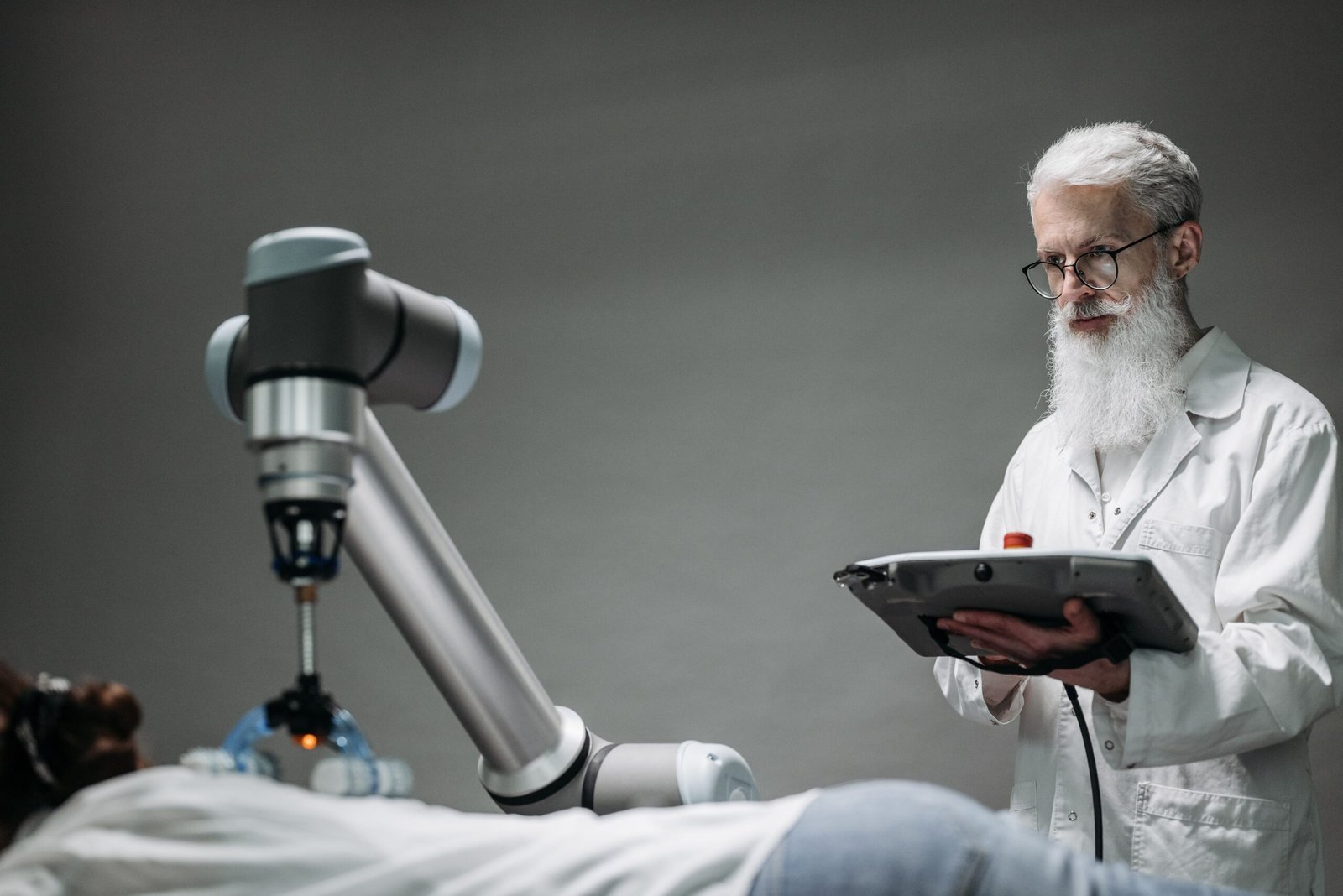
Deep learning is revolutionizing healthcare through advanced image analysis techniques that enhance diagnostic accuracy and efficiency. By harnessing vast amounts of imaging data, healthcare professionals can gain critical insights and improve patient outcomes. For those interested in exploring the foundational tools for this transformation, AI training frameworks and tools are essential resources.
Understanding Deep Learning
Deep learning, a subset of Machine Learning, is based on artificial neural networks that are designed to mimic human thought processes. These algorithms learn from vast amounts of data, allowing them to identify patterns and make predictions. In healthcare, deep learning plays a crucial role in interpreting complex medical images.
Key Concepts
- Neural Networks: A series of algorithms that attempt to recognize underlying relationships in a set of data.
- Convolutional Neural Networks (CNNs): A class of deep neural networks particularly useful for analyzing visual data.
- Training Data: The dataset used to train the model, which ideally consists of a diverse range of images to improve accuracy.
Applications of Deep Learning in Medical Imaging
Deep learning techniques are being applied across various medical imaging modalities, including X-rays, MRIs, and CT scans. Below are some notable applications:
1. Disease Detection
Deep learning models have shown significant promise in detecting various diseases from medical imaging. For example:
| Disease | Modality | Model Performance |
|---|---|---|
| Breast Cancer | Mammography | Accuracy: 94% |
| Lung Cancer | Chest X-ray | Accuracy: 92% |
| Diabetic Retinopathy | Retinal Images | Accuracy: 96% |
2. Image Segmentation
Image segmentation, the process of partitioning an image into multiple segments, is vital in medical image analysis. Deep learning techniques enable precise segmentation of organs and tumors, which is crucial for treatment planning.
Get Photo Storage
3. Predictive Analytics
Deep learning models can analyze imaging data to predict patient outcomes, facilitating proactive healthcare. This is particularly useful in:
- Assessing risk factors for chronic diseases
- Monitoring disease progression
- Evaluating treatment efficacy
Challenges in Implementing Deep Learning in Healthcare
Despite its potential, several challenges impede the widespread adoption of deep learning in healthcare:
Data Quality and Quantity
High-quality labeled datasets are essential for training robust deep learning models. The scarcity of annotated medical images poses a significant barrier.
Interoperability
Integrating deep learning models with existing healthcare systems can be complex due to varying standards and protocols.
Regulatory Hurdles
Regulatory compliance for deploying AI in clinical settings is critical. Ensuring patient safety and Data Security is of paramount importance.
Learn AI Tools
Future Prospects
The future of deep learning in healthcare looks promising, with ongoing research and development aimed at overcoming current challenges. Below are some anticipated advancements:
1. Improved Algorithms
As research progresses, algorithms will become more sophisticated, enhancing their accuracy and reliability.
2. Greater Adoption
With successful case studies, more healthcare providers are expected to integrate deep learning tools into their practice.
3. Personalized Medicine
Deep learning can lead to tailored treatment plans based on individual patient data, optimizing healthcare outcomes.
Conclusion
Deep learning is undeniably reshaping the landscape of healthcare, particularly in the field of image analysis. As technology continues to evolve, the integration of deep learning in medical imaging holds the potential to enhance diagnostic accuracy, improve patient outcomes, and ultimately transform the healthcare system as we know it. The ongoing research, coupled with advancements in algorithms, is paving the way for a future where deep learning will play an integral role in providing high-quality care to patients worldwide.
FAQ
What is deep learning in healthcare?
Deep learning in healthcare refers to the use of neural networks to analyze complex medical data, enabling improved diagnosis, treatment planning, and patient outcomes.
How is image analysis used in healthcare?
Image analysis in healthcare involves using deep learning algorithms to interpret medical images such as X-rays, MRIs, and CT scans for the detection and diagnosis of diseases.
Get Photo Storage
What are the benefits of using deep learning for image analysis in medicine?
Benefits include enhanced accuracy in diagnostics, reduced time for image interpretation, and the ability to identify patterns that may be overlooked by human clinicians.
What types of medical images can deep learning analyze?
Deep learning can analyze various types of medical images, including radiological images, pathology slides, and even genomic data, providing insights for multiple medical disciplines.
Are there any challenges associated with deep learning in healthcare image analysis?
Yes, challenges include Data Privacy concerns, the need for large annotated datasets for training, and the potential for algorithmic bias.
How is deep learning transforming patient care in healthcare?
Deep learning is transforming patient care by enabling more accurate diagnoses, personalizing treatment plans, and facilitating early detection of diseases, ultimately leading to better patient outcomes.